What to do in Chile? Nature, Culture & Adventure
By Southwind Experience — Local Travel Specialists based in El Calafate, Patagonia
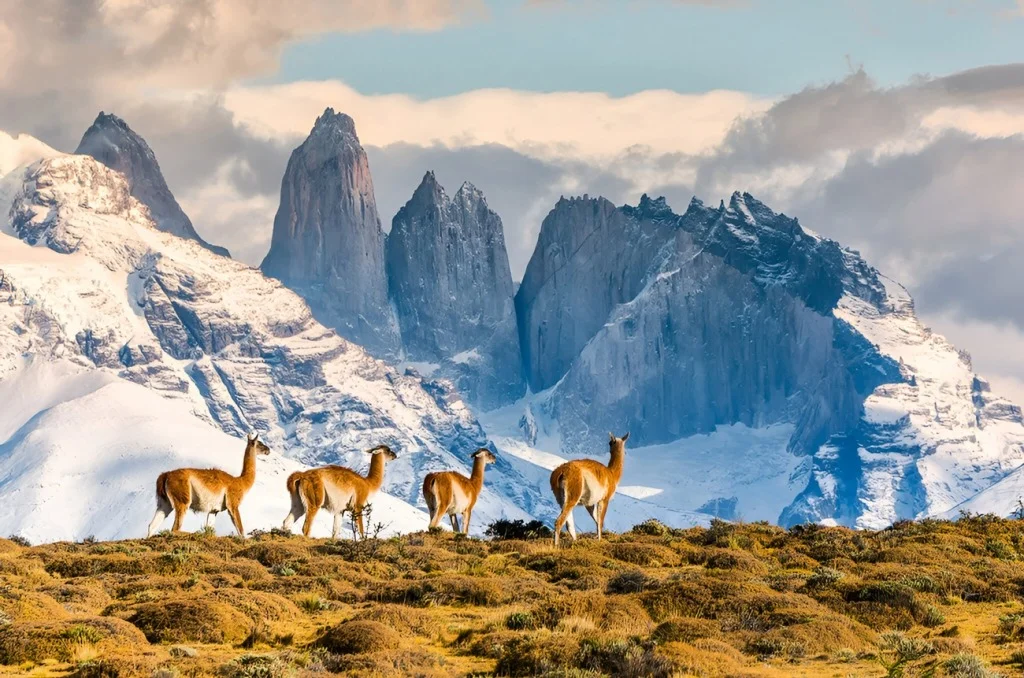
Chile is a land of contrasts, stretching from the driest desert on Earth to the icy wilderness of Patagonia. This diversity makes it one of South America’s most compelling destinations, offering travelers a unique combination of landscapes, culture, and outdoor adventure. Below, we explore Chile’s main travel regions, with expanded insights to inspire unforgettable itineraries.
🌵 Atacama Desert & Stargazing (Northern Chile)
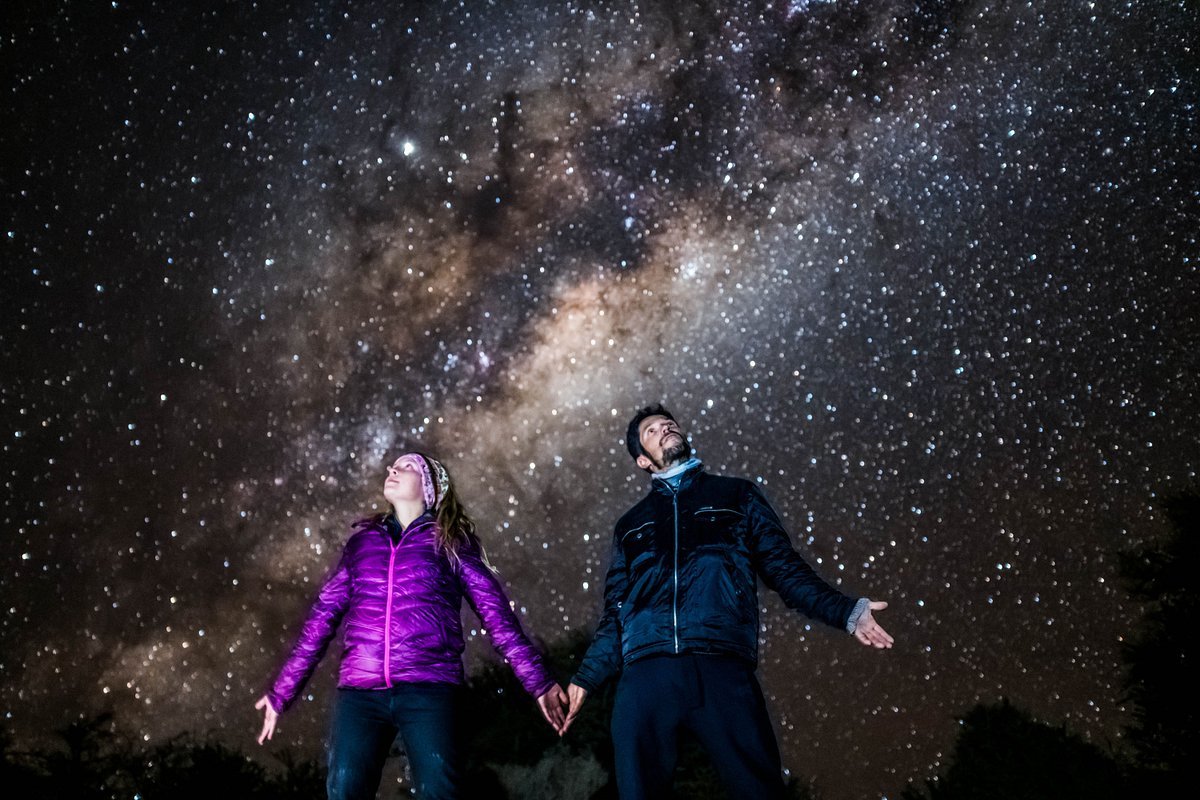
The Atacama Desert is not only the driest desert on Earth, but also one of its most visually striking regions. Located at high altitude, this area features vast salt flats, surreal rock formations, and vividly colored lagoons set against a backdrop of snow-capped volcanoes.
San Pedro de Atacama serves as the main hub, offering access to breathtaking excursions. Sunrise at the El Tatio Geysers reveals steaming geothermal fields, while sunset in the Valle de la Luna paints the landscape in shades of gold and red.
What truly sets Atacama apart is its world-class stargazing. With minimal light pollution and crystal-clear skies, visitors can observe the Milky Way in extraordinary detail. Professional observatories and guided astronomy tours make it accessible even for beginners.
🗿 Easter Island (Rapa Nui)
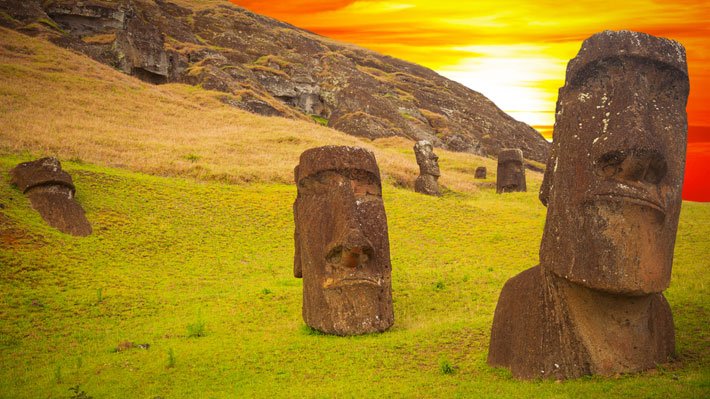
Easter Island, or Rapa Nui, is one of the most remote destinations on Earth, yet it remains deeply captivating due to its mysterious past and Polynesian heritage.
The island’s iconic moai statues, carved between the 13th and 16th centuries, are scattered across ceremonial platforms (ahu), each telling a story of ancestral worship and social structure. The quarry of Rano Raraku, where many statues remain unfinished, provides fascinating insight into their creation.
Beyond archaeology, the island offers beautiful volcanic landscapes, pristine beaches like Anakena, and a vibrant living culture expressed through music, dance, and traditions such as the Tapati Festival.
🏙️ Chile’s Main Cities: Culture, History & Urban Energy
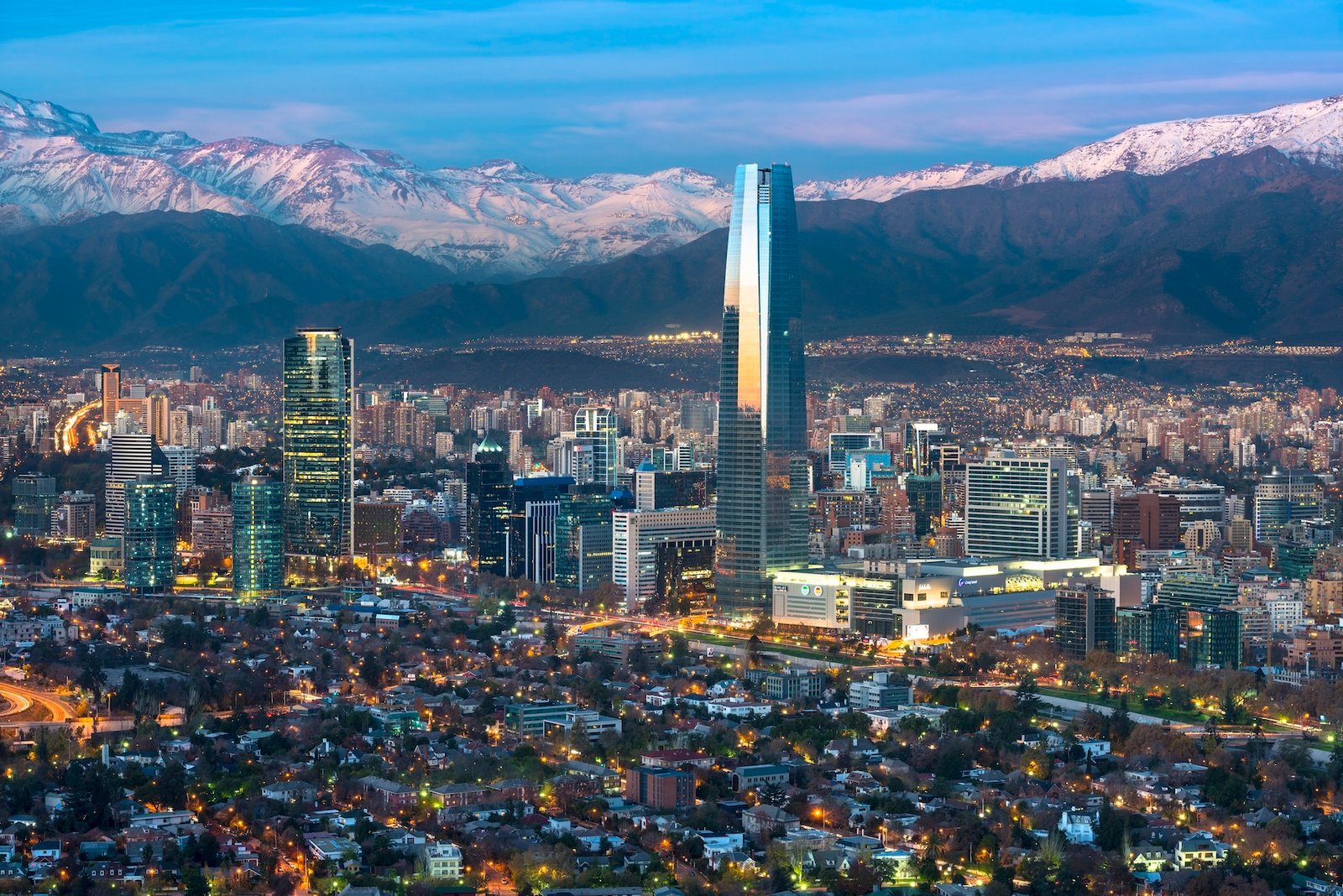
Chile’s cities provide a dynamic contrast to its natural wonders, blending history, culture, and modern life. Santiago de Chile, the capital, is a cosmopolitan hub framed by the Andes Mountains. Visitors can explore world-class museums, vibrant neighborhoods like Bellavista, and nearby vineyards producing some of Chile’s finest wines.
Valparaíso enchants with its bohemian atmosphere, colorful hillside homes, and intricate street art. Its historic funiculars and labyrinthine streets make it a UNESCO-listed cultural treasure. Just next door, Viña del Mar, known as the “Garden City,” offers a more relaxed coastal experience with elegant avenues, beautiful beaches, and green parks. It is also famous for hosting the Viña del Mar International Song Festival, one of Latin America’s most important music events, making it a lively destination year-round.
Further south, Valdivia stands out for its riverside charm, strong German influence, and fresh seafood markets, often visited by sea lions. Puerto Montt acts as the gateway to Patagonia, offering access to fjords, islands, and the Lake District.
🌿 Araucanía Region: Lakes, Volcanoes & Ancestral Culture
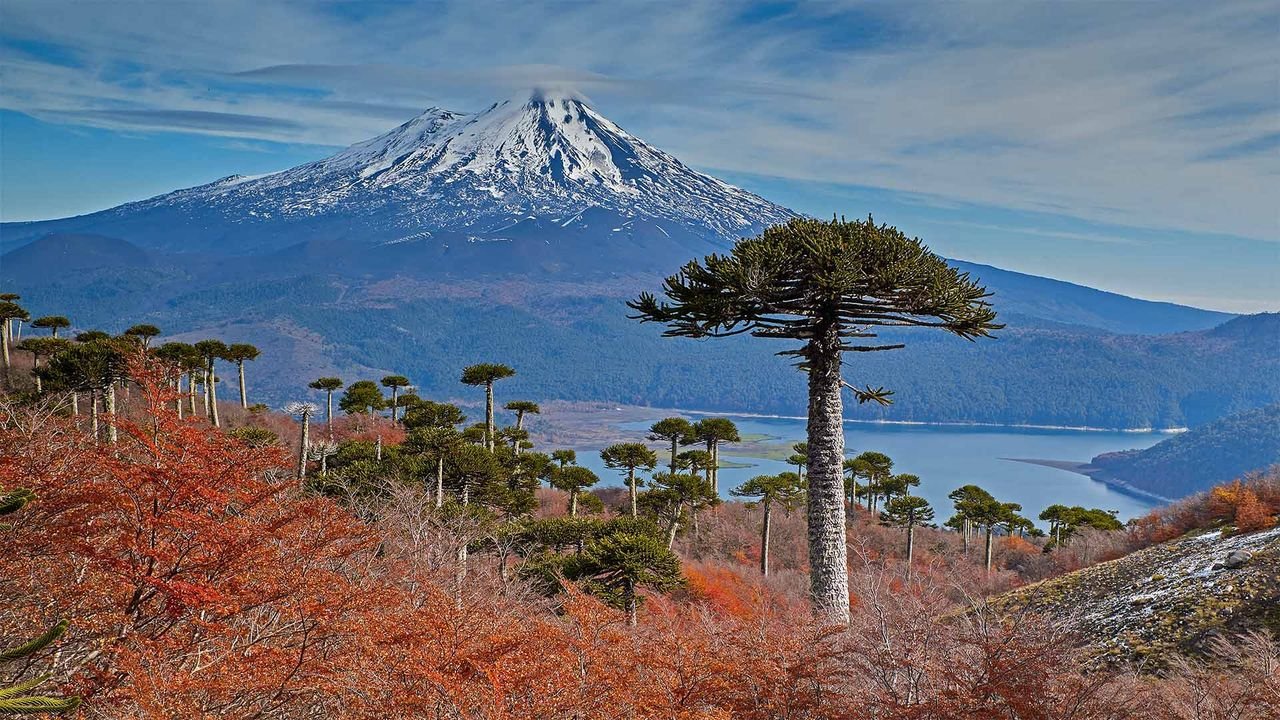
The Araucanía Region is one of Chile’s most authentic and culturally rich destinations, where dramatic natural landscapes blend with deep-rooted indigenous heritage. Dominated by volcanoes, ancient forests, and crystal-clear lakes, this region is also the heartland of the Mapuche culture, Chile’s largest indigenous group, whose traditions, cuisine, and worldview remain an essential part of local life.
The area around Pucón and Villarrica is a major hub for outdoor adventure, offering activities such as hiking, kayaking, hot springs, and even climbing the active Villarrica Volcano. Nature lovers will find some of the country’s most iconic scenery here, especially in autumn when forests turn vibrant shades of red and gold.
The Araucanía Region offers a perfect combination of nature, adventure, and cultural immersion, making it an essential stop for travelers exploring southern Chile.
🌄 Lake District (Los Lagos Region)
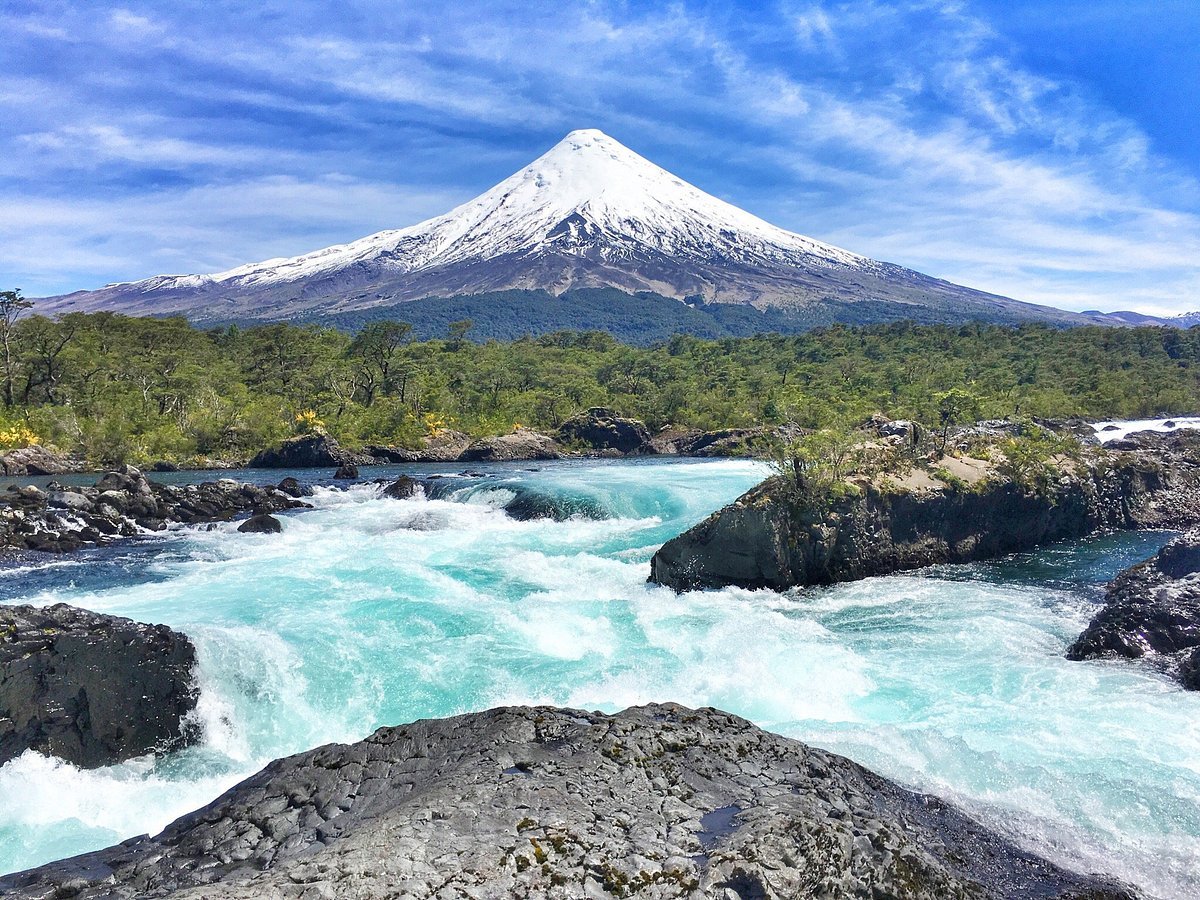
The Lake District is a lush and scenic region characterized by crystal-clear lakes, snow-capped volcanoes, and dense forests. It also reflects a strong European influence, particularly German, visible in its architecture and cuisine.
Puerto Varas, located on Lake Llanquihue, offers stunning views of the Osorno Volcano and serves as a base for excursions. Nearby, Frutillar charms visitors with its cultural heritage and lakeside setting. The Saltos de Petrohué waterfalls, with their striking turquoise waters, are another must-see.
🏝️ Chiloé Island: Myth, Tradition & Nature
The Chiloé Archipelago offers a distinct cultural identity shaped by isolation, mythology, and maritime traditions. Its most recognizable features are the palafitos, colorful wooden houses built on stilts along the shoreline, and its UNESCO-listed wooden churches, which blend indigenous and European architectural styles.
Chiloé is also famous for its rich folklore, including legends of mythical sea creatures and forest spirits. The local cuisine, particularly curanto (a traditional dish cooked underground), reflects the island’s communal way of life.
🛣️ Carretera Austral & Aysén Region: Untouched Patagonia
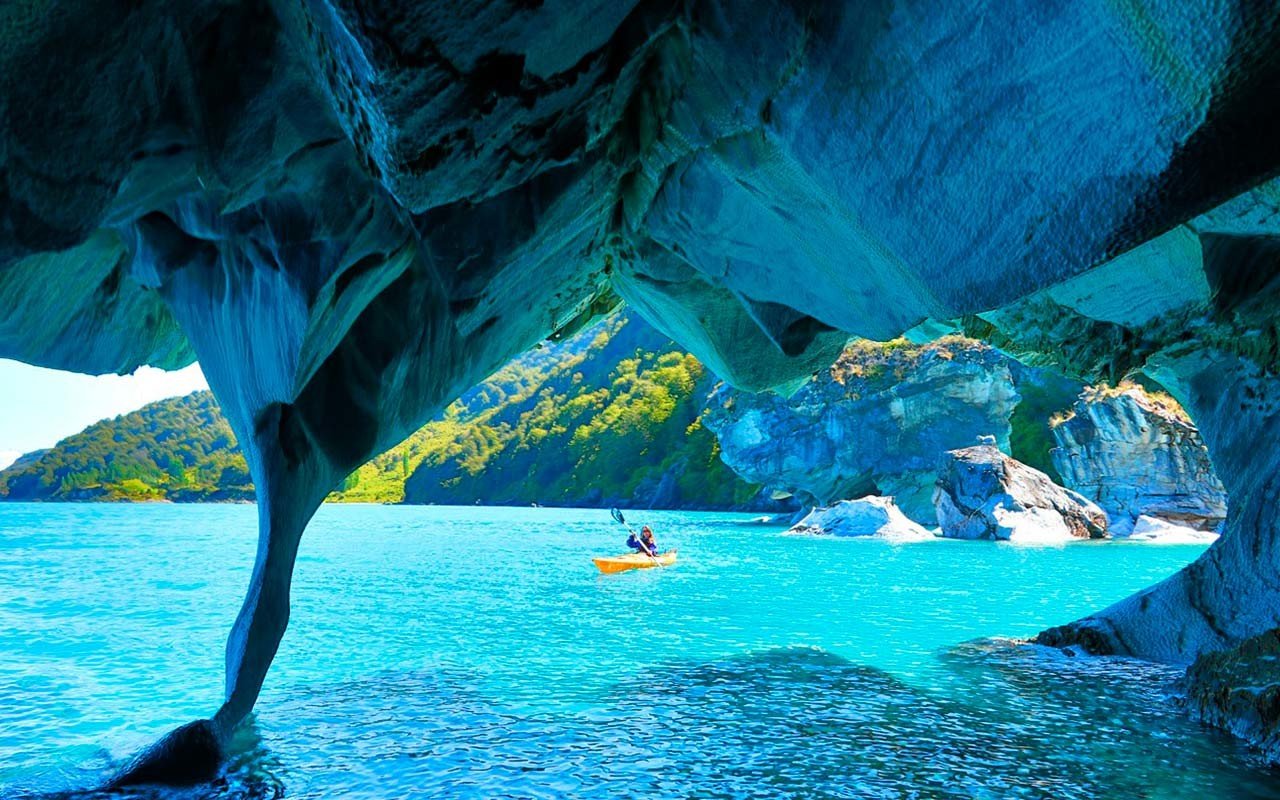
The Carretera Austral is one of the most scenic road trips in the world, cutting through the remote wilderness of Chilean Patagonia. This region remains largely untouched, offering a sense of true exploration.
Travelers encounter dramatic landscapes including turquoise rivers, dense forests, glaciers, and marble caves sculpted by water over thousands of years. The famous Capillas de Mármol (Marble Caves) are a highlight, accessible by boat. This region is ideal for those seeking off-the-beaten-path adventures, with opportunities for trekking, kayaking, and wildlife observation.
🧭 Magallanes Region: The Edge of the World
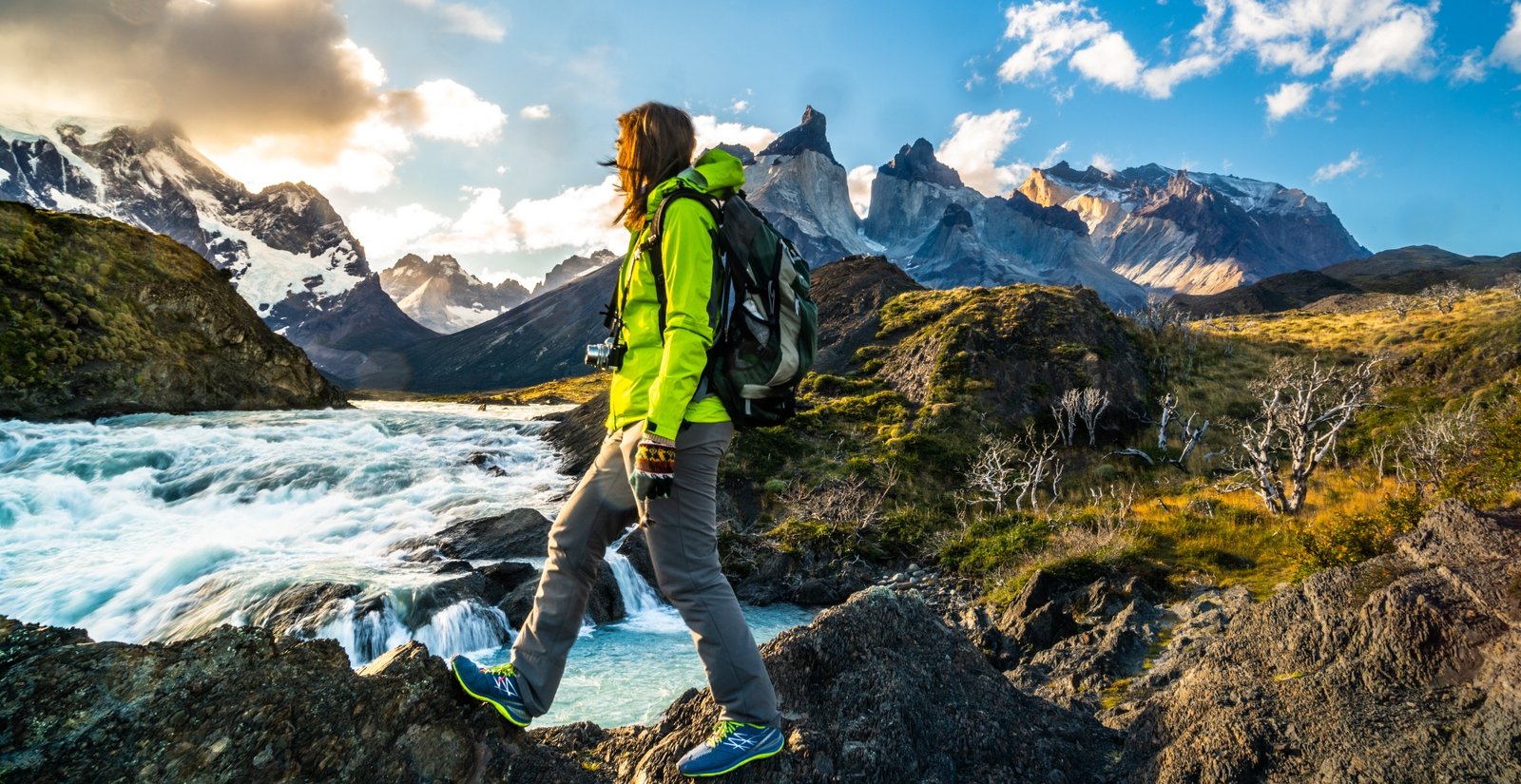
In southern Patagonia, the Magallanes Region showcases some of the most dramatic and iconic landscapes in South America.
Puerto Natales is the gateway to Torres del Paine National Park, famous for its granite peaks, glaciers, turquoise lakes, and abundant wildlife such as guanacos and condors. Trekking routes like the W and O circuits attract hikers from around the world.
Punta Arenas, located on the Strait of Magellan, offers historical significance and access to nearby penguin colonies.
🧊 Chilean Fjords & Tierra del Fuego
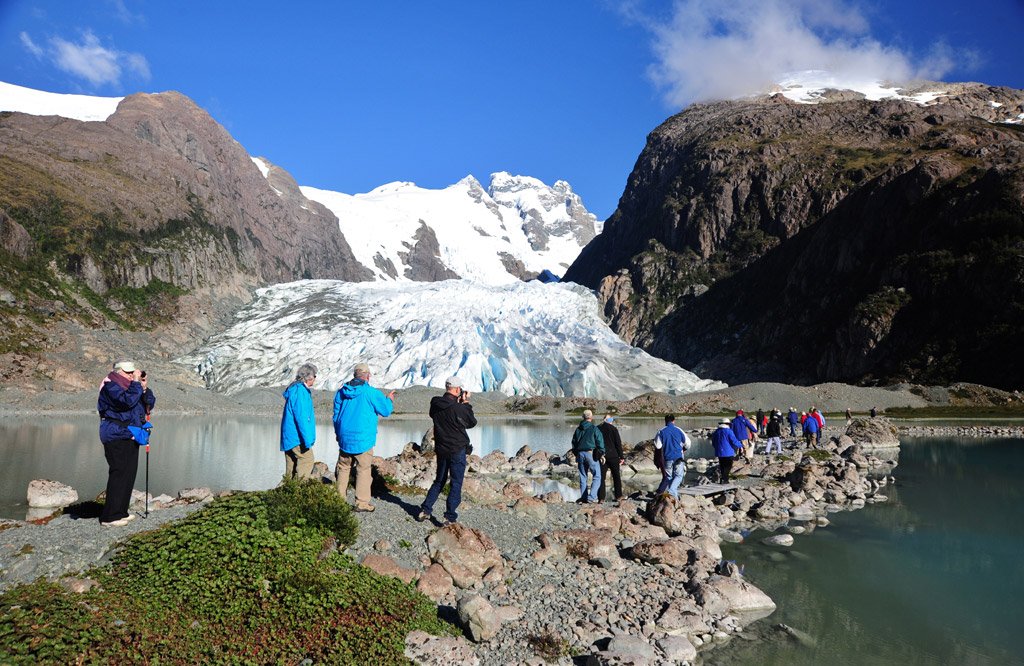
At the southernmost tip of Chile lies a labyrinth of fjords, channels, and islands, forming one of the most remote regions on Earth. Exploring the Chilean fjords by expedition cruise reveals towering glaciers, waterfalls cascading into the sea, and abundant wildlife including whales, dolphins, and seabirds.
Tierra del Fuego is a windswept and mysterious land shared with Argentina, offering dramatic landscapes shaped by glaciers and extreme weather. It is a destination for true adventurers seeking isolation and raw beauty.
🐾 Wildlife in Chile: Iconic Species from Forests to Fjords
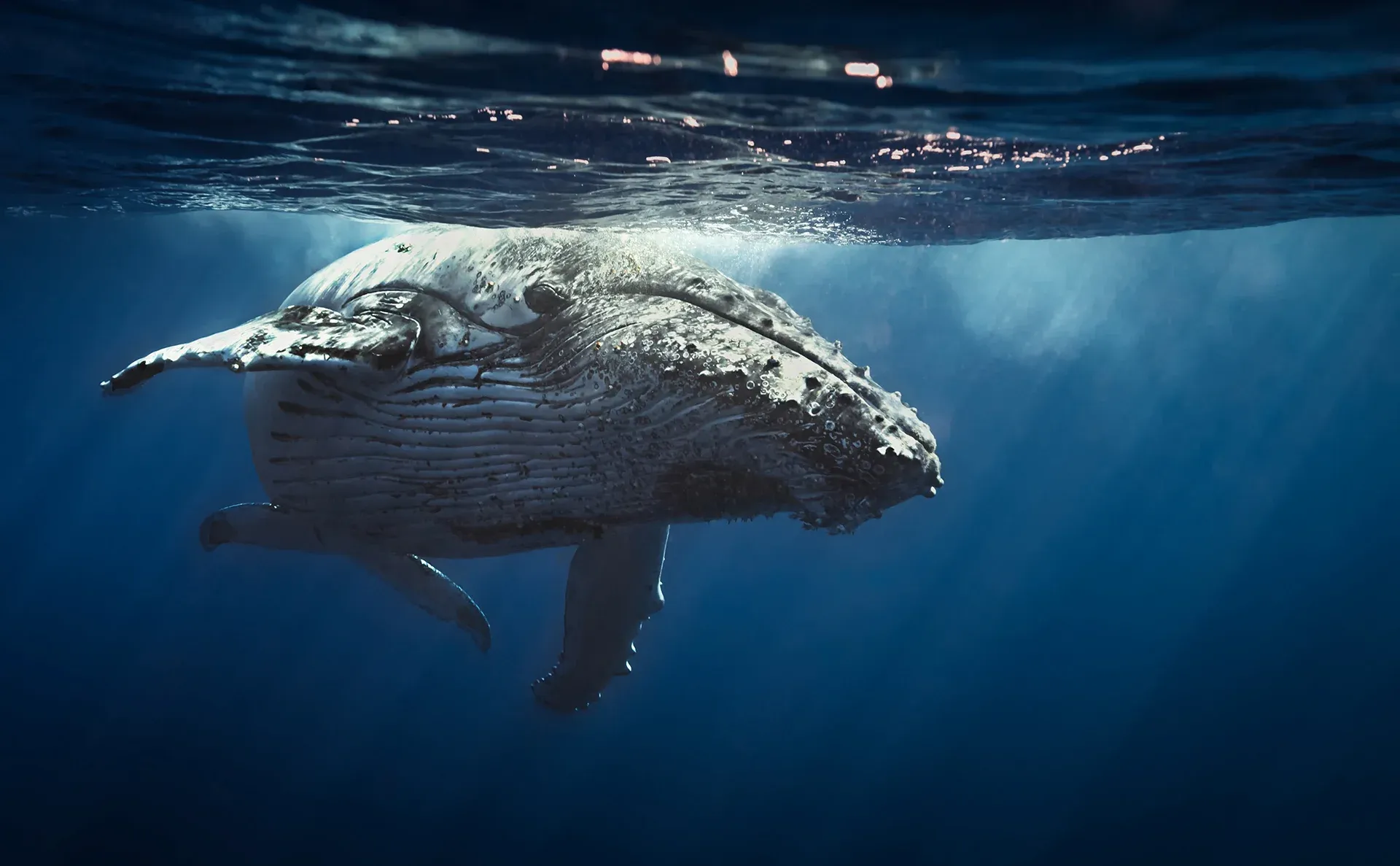
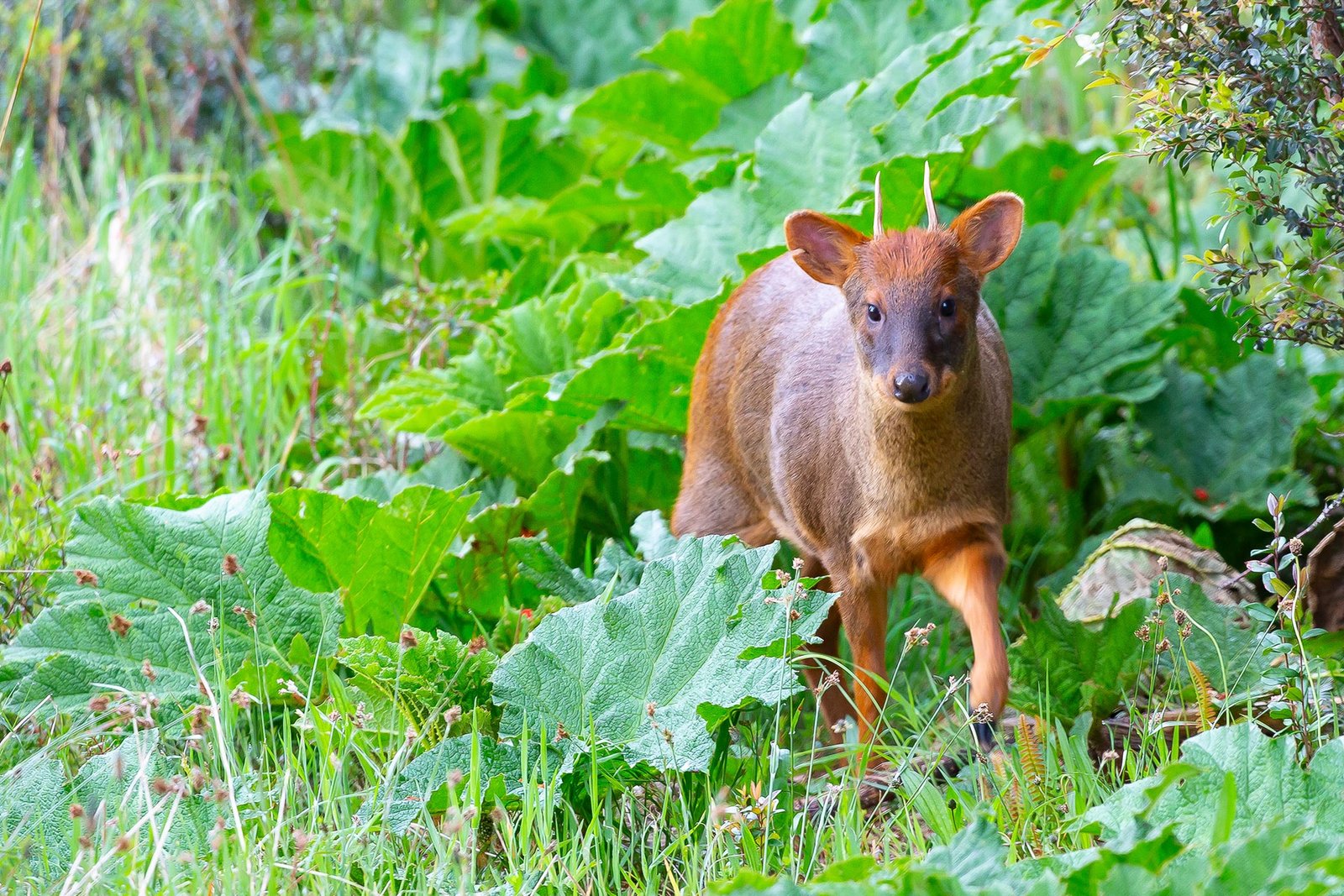
Chie offers exceptional wildlife encounters shaped by its vast and varied geography. On the island of Chiloé, travelers may (with luck) spot the elusive pudú, the smallest deer in the world, hidden within dense, misty forests, while along the coast, colonies of Humboldt and Magellanic penguins gather in protected nesting areas.
In Patagonia, Torres del Paine stands out as one of the best places globally to observe wild pumas, often seen stalking guanacos across the open steppe. Further south, near Punta Arenas and the Strait of Magellan, the marine ecosystem comes alive with Magellanic penguins, sea lions, and seasonal whales, including humpbacks, offering unforgettable encounters both on land and at sea.
🌿 National Parks & Protected Areas: Preserving Chile’s Natural Heritage
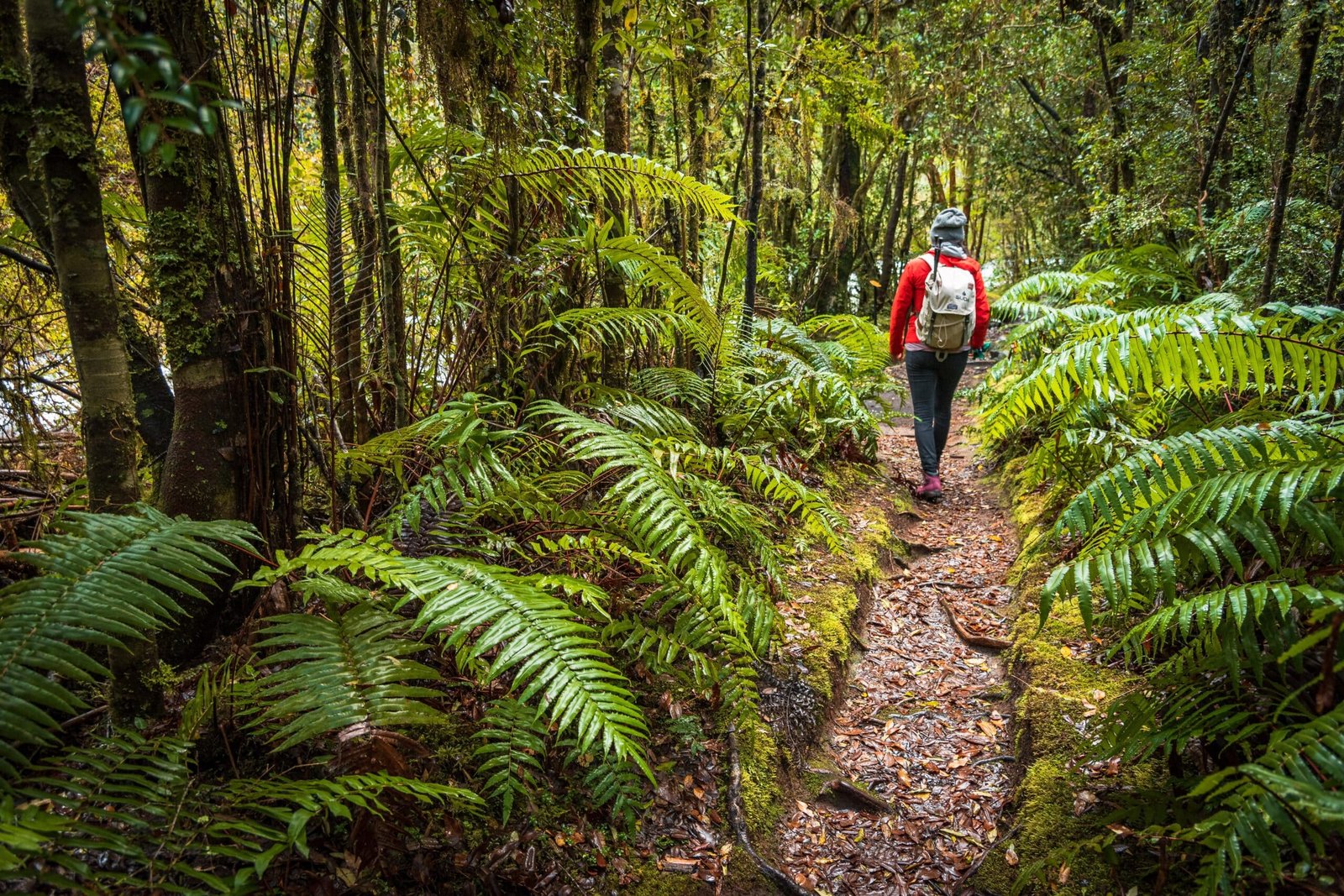
Chile’s extensive network of national parks protects some of the most pristine ecosystems on Earth. In the north and south alike, these reserves are essential for biodiversity conservation and sustainable tourism. Chiloé National Park preserves coastal rainforests and endemic species, while Conguillío National Park, located in the Araucanía region, is famous for its ancient araucaria (monkey puzzle) forests, lava fields, and the imposing Llaima Volcano—offering one of the most unique landscapes in the country.
In the remote south, Pumalín Douglas Tompkins National Park is a landmark conservation project, protecting vast expanses of temperate rainforest, volcanoes, and waterfalls along the Carretera Austral. Nearby, Patagonia National Park in the Aysén region showcases a successful rewilding initiative, restoring native ecosystems and reintroducing species across wide valleys, grasslands, and mountains. Further south, Torres del Paine National Park is globally renowned for its dramatic peaks, glaciers, and abundant wildlife, including pumas and guanacos.
Complementing these, marine reserves such as Francisco Coloane Marine Park safeguard critical habitats for whales and other marine life in the fjords near Punta Arenas. Together, these protected areas highlight Chile’s leadership in conservation and offer travelers immersive access to untouched natural landscapes.