The Marble Caves of Carretera Asutral: Everything You Need to Know
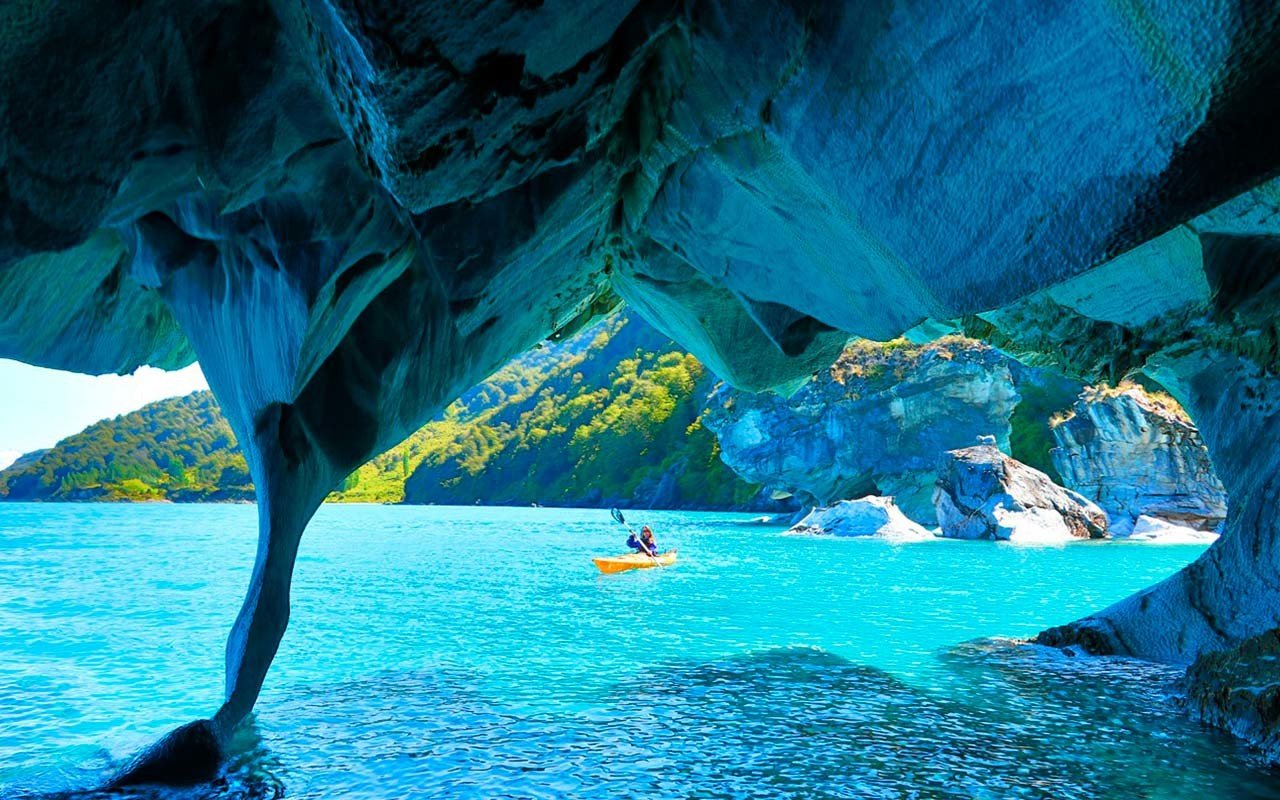
Morning is the right time to see the Marble Caves — specifically the window between roughly 09:00 AM and 11:00 AM, before wind picks up on Lago General Carrera and before the midday sun flattens the reflections inside the caverns. A standard motorboat tour runs 1.5 to 2 hours round trip and gets you inside the main chamber of the Marble Cathedral, engine cut, for a few minutes of stillness. A kayak tour runs longer, 3 to 4 hours, and reaches narrower openings the motorboats can't enter — but only if the lake stays calm enough to paddle across in the first place.
Motorboat | Kayak | |
Round-trip duration | 1.5–2 hours | 3–4 hours |
Launch point | Puerto Río Tranquilo jetty or Bahía Mansa | Same route, paddled |
Access | Main chamber of the Cathedral; engine cut for still viewing | Narrower tunnels and low openings boats can't clear |
Physical demand | None | Moderate — open-water paddling, more effort in wind |
Wind sensitivity | Lower — tours run in conditions that ground kayaks | Higher — first tours canceled when wind rises |
The Three Formations, and What You Actually See in Each
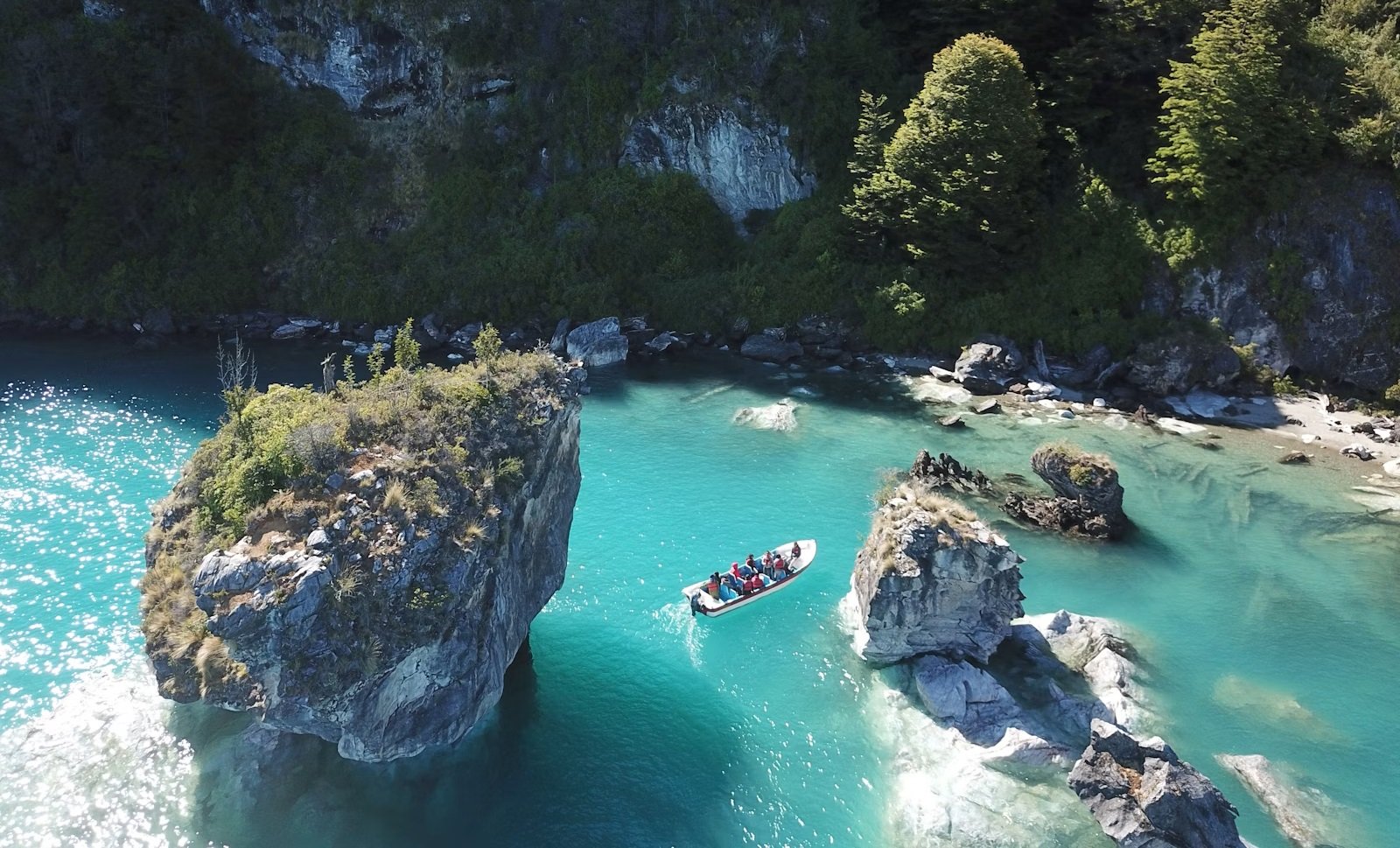
"Marble Caves" is the umbrella name for three distinct formations spread along about 300 meters of shoreline, and a full tour typically moves through all three in sequence.
The Marble Cathedral (Catedral de Mármol) is the largest and the one where boats can enter directly. It sits on a small island, with an interior chamber tall enough — up to around a dozen meters in places — for a boat to hold position under the ceiling. This is where guides cut the engine for the few minutes of stillness that make the reflections visible on the marble overhead.
The Marble Chapel (Capilla de Mármol) is smaller and closer to the northern shore. Its arches and columns are more intricate than the Cathedral's, and it's usually the formation behind the classic postcard shot — narrow openings framing turquoise water from the inside.
The Marble Caverns (Cuevas de Mármol), sometimes just called the Caves, are the tunnel section: a labyrinth of narrower passages rather than one large chamber. This is where a kayak has a real advantage — motorboats stay in the wider channels, while kayaks can slide into passages and low archways the boats simply can't clear.
Why the Morning Light Makes the Difference
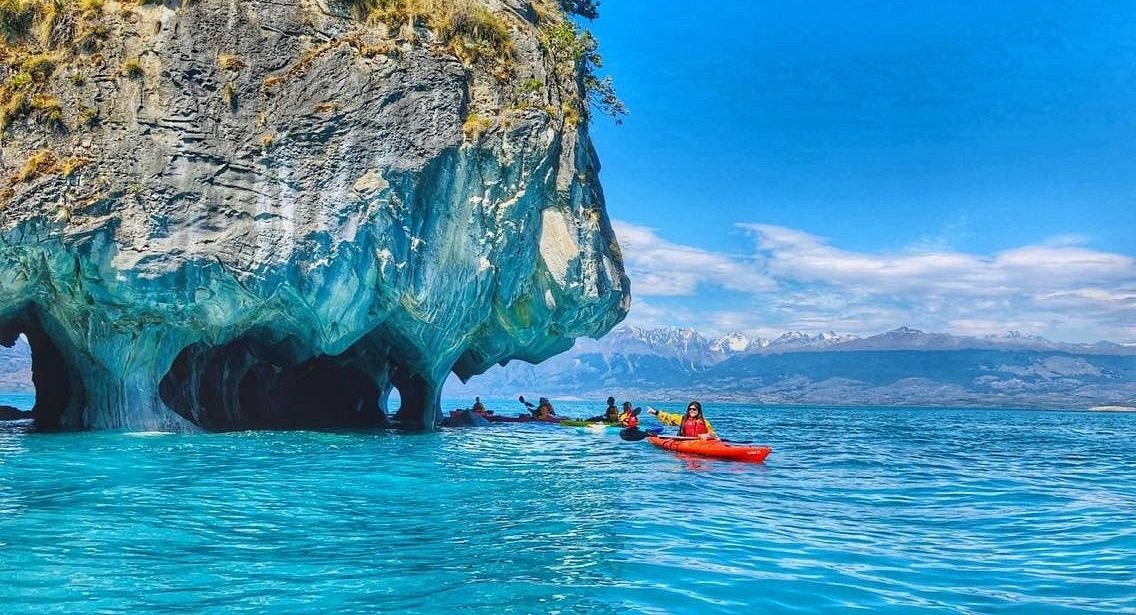
The color inside the caves comes from sunlight passing through glacially fed water and bouncing off marble walls polished smooth by thousands of years of wave action. Low morning sun angles light more directly into the vertical rock faces, which is what produces the saturated blue people expect from photos.
The Lago General Carrera is also calmer in the first hours of the day. By early afternoon, wind typically picks up and the surface turns choppy, which does two things: it reduces the boat's ability to hold position for that engine-cut moment inside the Cathedral, and it breaks up the reflections that make the caves photograph well. A guide who times the departure for that first window is managing light and wind at once, not just one of them.
Motorboat or Kayak: Which Gets You More Time Inside

The honest answer is that they give you different kinds of time, not simply more or less of it.
The motorboat is fast, stable, and reaches the largest chamber of the Cathedral directly. Guides position the boat and cut the engine for a few minutes of quiet inside — long enough to look at the ceiling reflections, not long enough to linger through several formations slowly.
The kayak takes longer to get there and covers less ground per hour, but it reaches the passages in the Caverns that the motorboat's hull can't clear. Paddling at your own pace also means more time actually inside the smaller chambers rather than transiting between them. The trade-off is real: an open-water crossing in a headwind is tiring, and kayak departures are the first ones guides cancel when the forecast turns.
Water Levels by Season: What Actually Changes
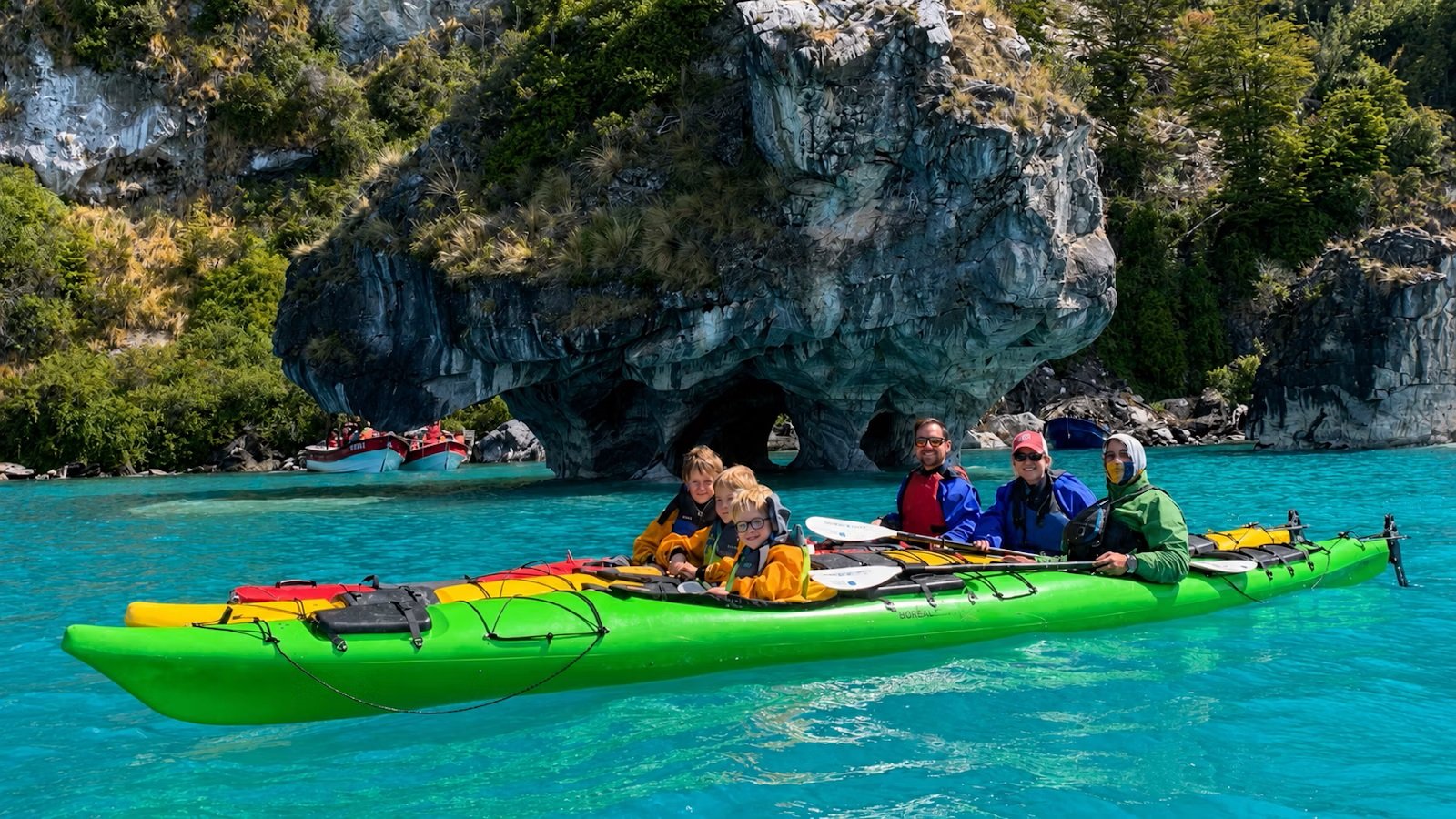
Lake levels on General Carrera shift over the year with glacial melt feeding the rivers upstream, and the change is large enough to affect how far a boat can maneuver into the smaller chambers of the Cathedral and Chapel. One account puts the difference at over a meter between the early-spring low, before glacier melt has picked up, and the higher levels later in the season. Published sources disagree on exactly which months run higher versus lower, and the pattern depends on that year's specific melt and rainfall, not a fixed calendar. A Southwind guide checks current lake conditions before booking the tour, and that check matters more than the month printed on the itinerary.
High Season vs. Low Season
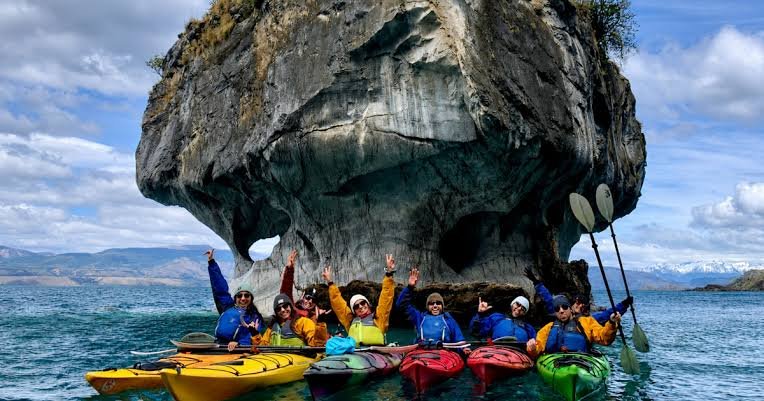
December through February is the Chilean summer holiday season, and Puerto Río Tranquilo is filled with both Chilean and international travelers. Tour operators run multiple daily departures, availability is at its widest, and the town itself is fully open — restaurants, gear shops, and accommodation all operating at capacity. The trade-off is crowds at the jetty and, on the busiest days, more boats sharing the same water inside the Cathedral.
Outside that window — particularly deep winter, from roughly May through August — the town is described by operators as barely open, and both boat and kayak tour frequency drops accordingly. Kayak tours in particular tend to run only from spring through autumn (roughly September to April), since the open-water paddle becomes harder to justify once temperatures and daylight hours drop. Fewer departures also means less flexibility if a morning is lost to wind — there may not be an equivalent afternoon slot to shift into.
Southwind schedules the Marble Caves tour with this in mind: a summer buffer to absorb crowds, or a wider planning window in shoulder season to work around a thinner departure schedule.
Whether Conditions
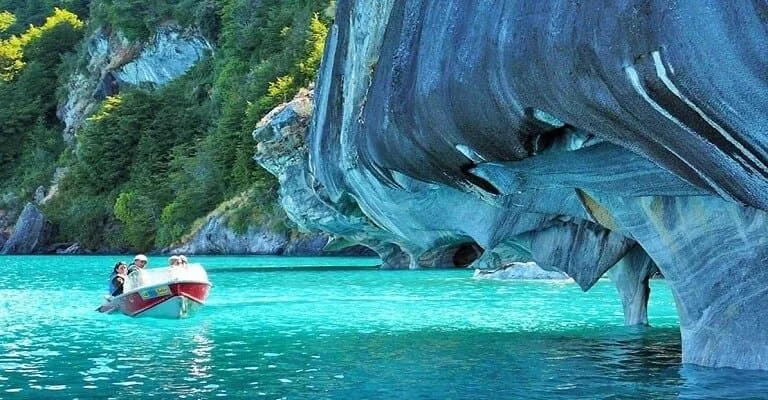
Wind is the variable that actually decides whether the tour happens as planned, not the calendar. Kayak departures get postponed or swapped for a motorboat first; motorboat tours occasionally get pushed later in the day if the morning is unusually rough.
When wind or a storm system closes the main route entirely, some operators substitute an alternative navigation from nearby Puerto Sánchez rather than canceling outright; if neither route is viable, the tour is called off for the day. None of this is guaranteed reflection-perfect light — the caves look different every visit, and a guide who tells you that up front is being accurate, not pessimistic.
Recommendations by Traveler Profile
Prioritizing photography: take the motorboat in the first departure of the day. The stability and the engine-cut pause inside the Cathedral matter more for image quality than proximity to the walls.
Prioritizing the closest, quietest access: take the kayak, and accept that it depends on a calm morning. If wind is in the forecast, plan a flexible day rather than a fixed departure time.
Traveling with limited mobility or a tight schedule: the motorboat is the practical choice — no paddling, shorter total time, same main formations.
The Bottom Line
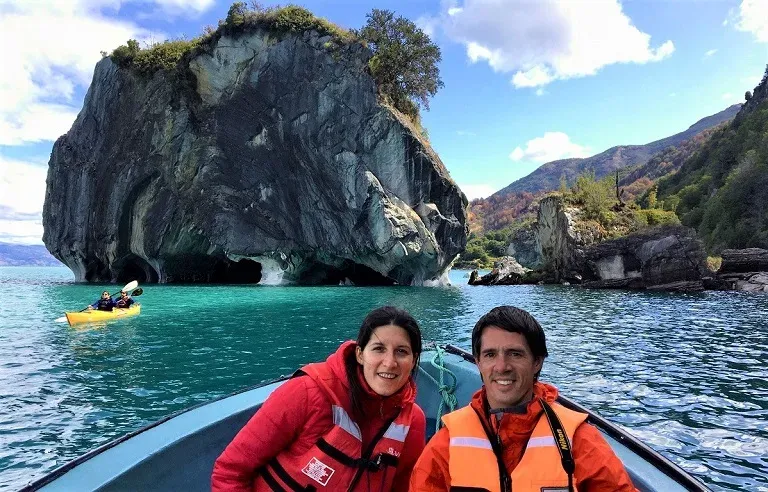
Book the first departure of the day, not because of a fixed rule about light, but because morning is when the lake is calmest and the sun angle works in the caves' favor. Choose the motorboat for stability and guaranteed access to the Cathedral's main chamber, the kayak for proximity to the Caverns' narrower passages — and expect a guide to adjust the plan on the day based on wind and season, since those two variables outweigh everything else on the itinerary.
Southwind Experience builds the Marble Caves boat tour into private Carretera Austral itineraries, timing the departure for the morning window and making the motorboat-versus-kayak call with the guide on the day based on lake and wind conditions.
Carretera Austral itineraries →