Stargazing in the Atacama Desert: A Private Guide to Observatories, Planning, and Logistics
By Southwind Experience — Local Travel Specialists
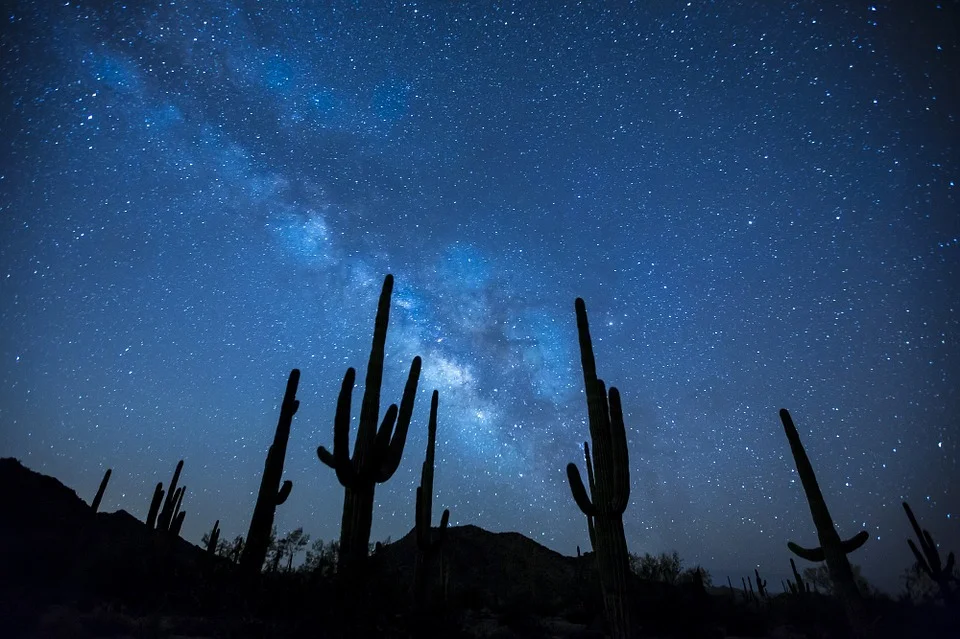
There are few places on Earth where the night sky feels genuinely infinite. In the Atacama Desert, under some of the clearest skies on the planet, the Milky Way stretches directly overhead in a level of detail most travelers have never seen — and the difference between a good night under the stars and an extraordinary one comes down almost entirely to planning. At Southwind Experience, we design private Atacama journeys from our base in Patagonia, coordinating everything from lunar timing to altitude pacing so that our guests simply show up and look up.
A stay of 4 to 5 days centered in the Atacama Desert provides the ideal timeframe to experience nighttime astronomical tours while allowing proper altitude acclimatization for daytime high-elevation excursions. The region offers unmatched stargazing conditions due to baseline elevations between 2,400 and 5,000 meters, relative atmospheric humidity regularly under 10%, and more than 300 clear nights per year. Successful stargazing requires aligning travel dates with the new moon phase, selecting accommodation away from urban light sources, and pacing night tours around cold desert temperatures — the kind of detail we handle for every private itinerary we design.
Why the Atacama Desert Is the World's Premier Astronomy Destination
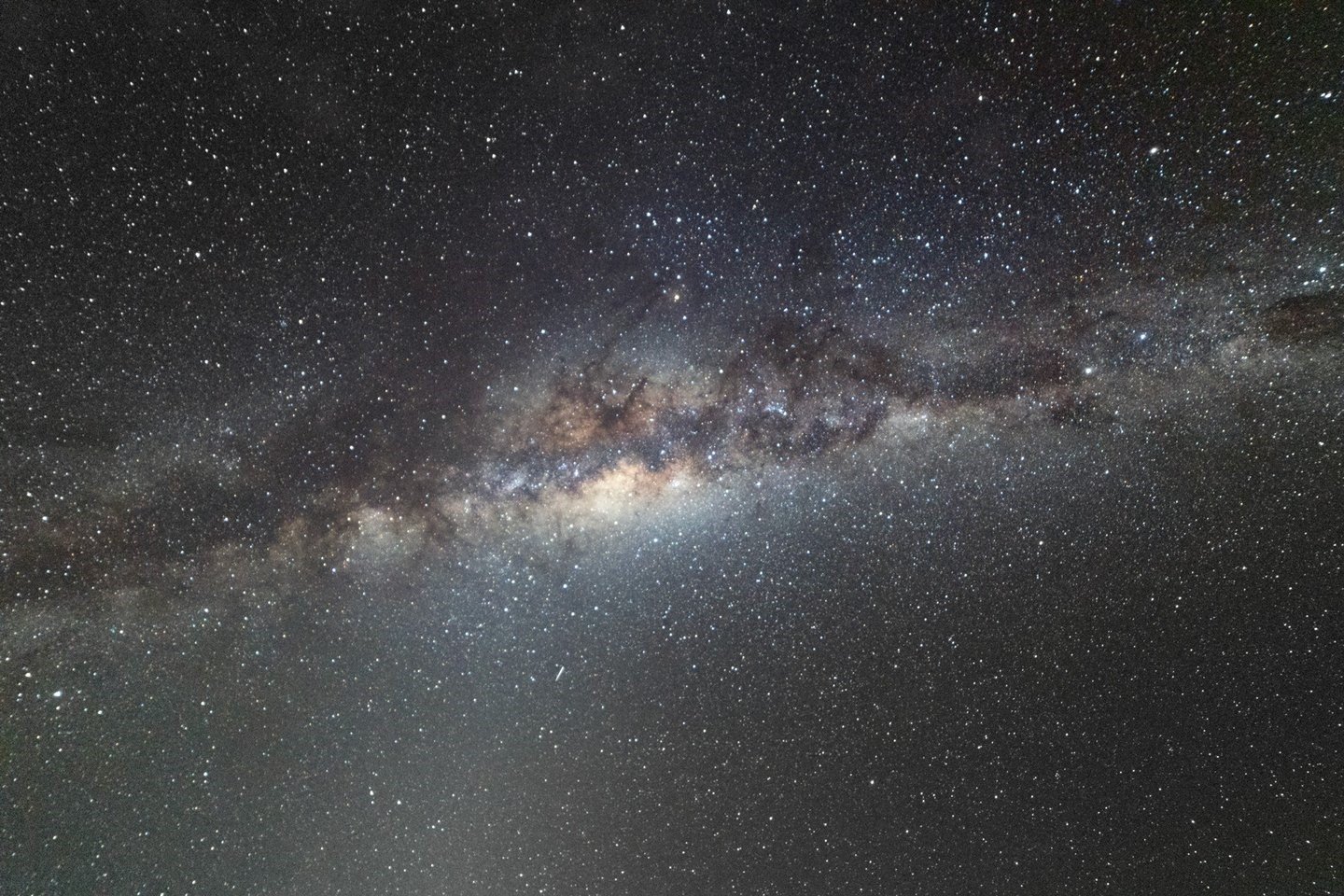
The Atacama Desert hosts over 70% of the world's ground-based astronomical infrastructure. This high concentration of international research observatories is driven by specific geographic and atmospheric parameters.
Positioned between the Chilean Coast Range and the Andes Mountains, the desert rests in a perpetual double rain shadow. This topography prevents moist air masses from entering from either the Pacific Ocean or the Amazon Basin.
Atmospheric Humidity: < 10% average
Clear Nights: 300+ days per year
Town Base Elevation: 2,400 meters (7,870 feet)
Observatory Altitude: 2,600 to 5,000+ meters
The baseline elevation of San Pedro de Atacama is 2,400 meters (7,870 feet) above sea level. At this height, the atmospheric column above the desert is thin, minimizing light scattering and visual distortion.
In addition, the region benefits from exceptionally low thermal turbulence. The stable atmospheric air column allows light from faint deep-space objects to pass directly through without the scintillation (twinkling) that degrades image clarity in coastal or humid environments.
Beyond the science, there's something more emotional at work. Constellations appear sharper, the Milky Way's core is visible to the naked eye, and shooting stars are common enough to make almost every evening feel cinematic.
Observatories in Northern Chile: Scientific Icons and Private Boutique Access
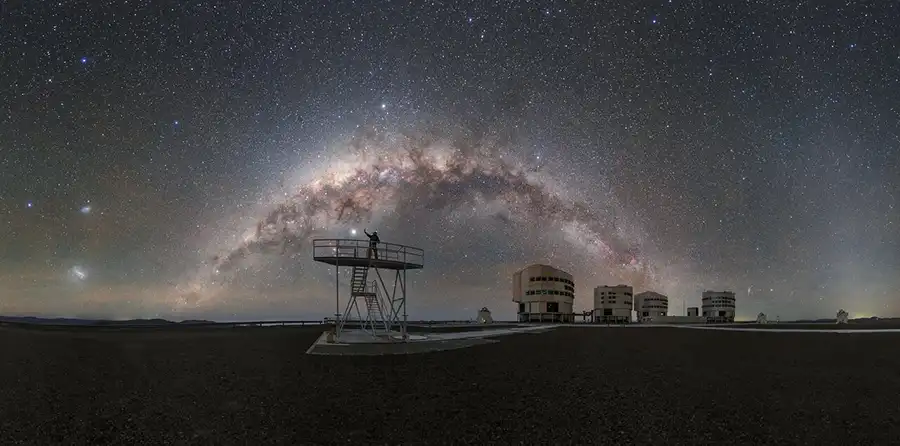
When planning astronomical visits, travelers should distinguish between the scientific research complexes that put Atacama on the map, and the private, small-scale operations built specifically for immersive nighttime viewing.
The Scientific Megastructures (Daytime Educational Visits)
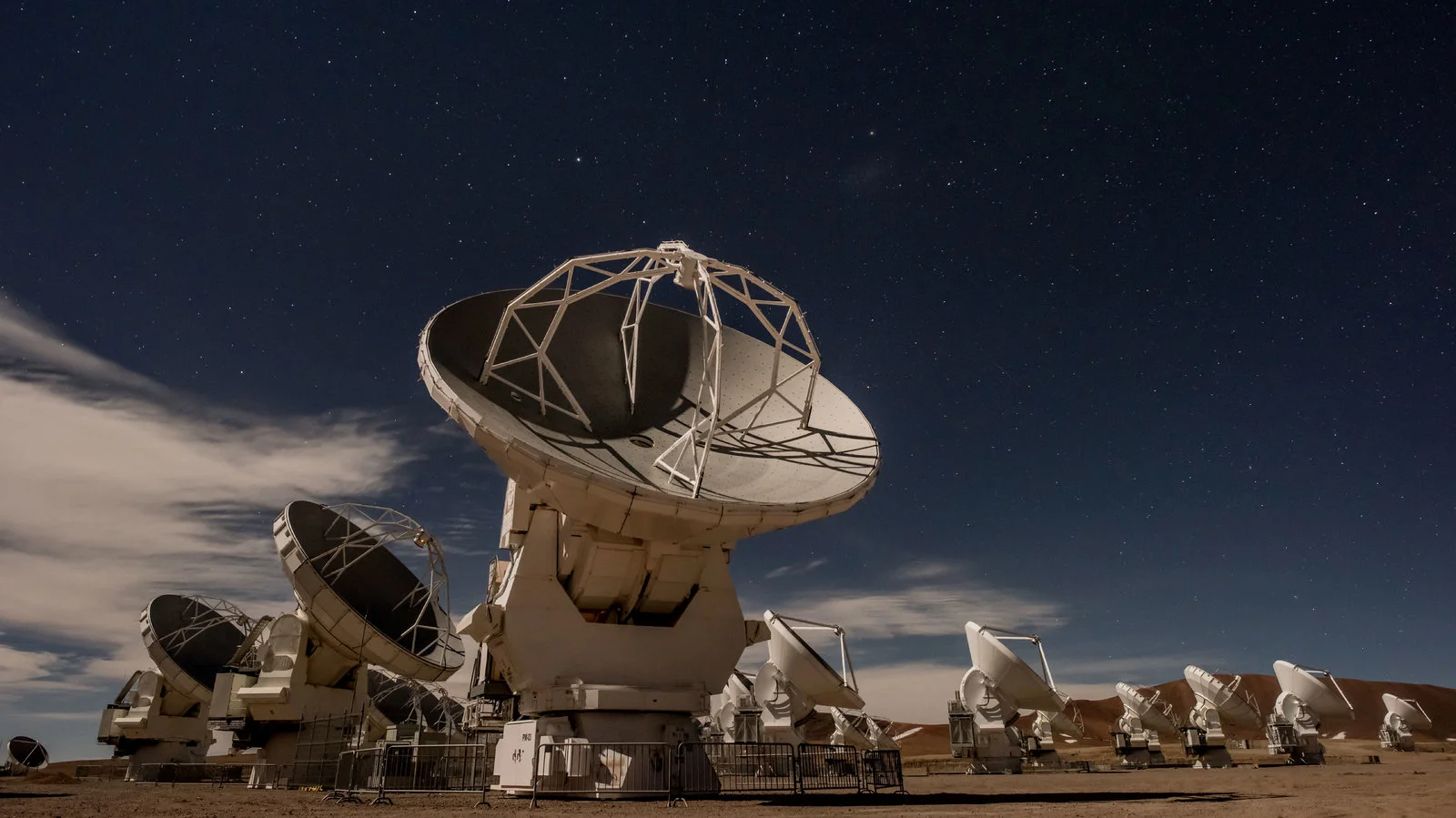
These working research complexes host international teams of astronomers conducting deep-space research. They do not permit night-sky visual observation through optical eyepieces for visitors, but they offer structured daytime technical tours.
ALMA (Atacama Large Millimeter/submillimeter Array): Situated on the Chajnantor Plateau at 5,000 meters, ALMA is the most powerful radio telescope array in existence.
Paranal Observatory (VLT – Very Large Telescope): Operated by the European Southern Observatory (ESO), Paranal sits at 2,635 meters, located 130 kilometers south of Antofagasta.
Both require advance booking, and we arrange these visits as part of a private itinerary well ahead of arrival.
Private and Boutique Observatories (Nighttime Viewing)
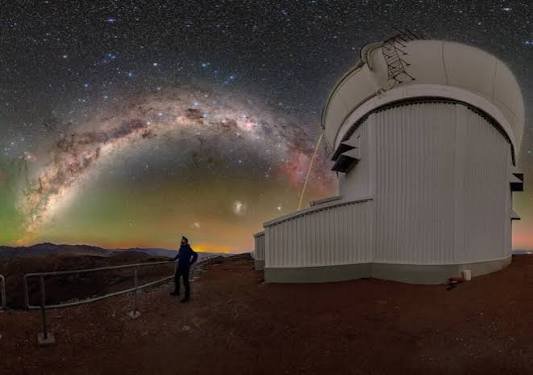
Positioned 10 to 20 kilometers outside San Pedro de Atacama to eliminate town light pollution, these private sites offer hands-on optical telescope viewing.
SPACE (San Pedro de Atacama Celestial Explorations): Established by professional astronomers in Pedro de Valdivia, this facility houses optical telescopes with apertures ranging from 400mm to 720mm, delivering high visual contrast of planetary surfaces and distant nebulae.
Ahlarkapin Observatory: Operated by local Likan Antai descendants, this site combines optical telescope viewing with Andean ethno-astronomy, focusing on how native cultures mapped dark-cloud constellations along the Milky Way.
Private Lodge Observatories: Select high-end boutique properties within the San Pedro oasis — among them Tierra Atacama, Explora Atacama, and Nayara Alto Atacama — operate private open-air observatories on-site with resident astronomers, letting guests stargaze steps from their room.
Timing Your Trip: Lunar Cycles and Seasonal Windows
Night sky visibility changes significantly across the monthly lunar calendar and annual seasonal shifts, and it's the first thing we check before confirming dates for a stargazing-focused itinerary.
Commercial stargazing tours suspend operations or shift to lunar crater observation during the 3 days before and after a full moon. Bright moonlight reflects off fine atmospheric dust, washing out the Milky Way core and faint star clusters — so we build private itineraries around the new moon whenever stargazing is a priority.
During the Altiplanic Winter in January and February, prevailing winds shift humid air from the Amazon basin across the Andes. This creates afternoon cloud accumulation and occasional rain in the desert, making April through November the most reliable weather window.
Where You Stay Matters: Managing Light Pollution and Night Comfort
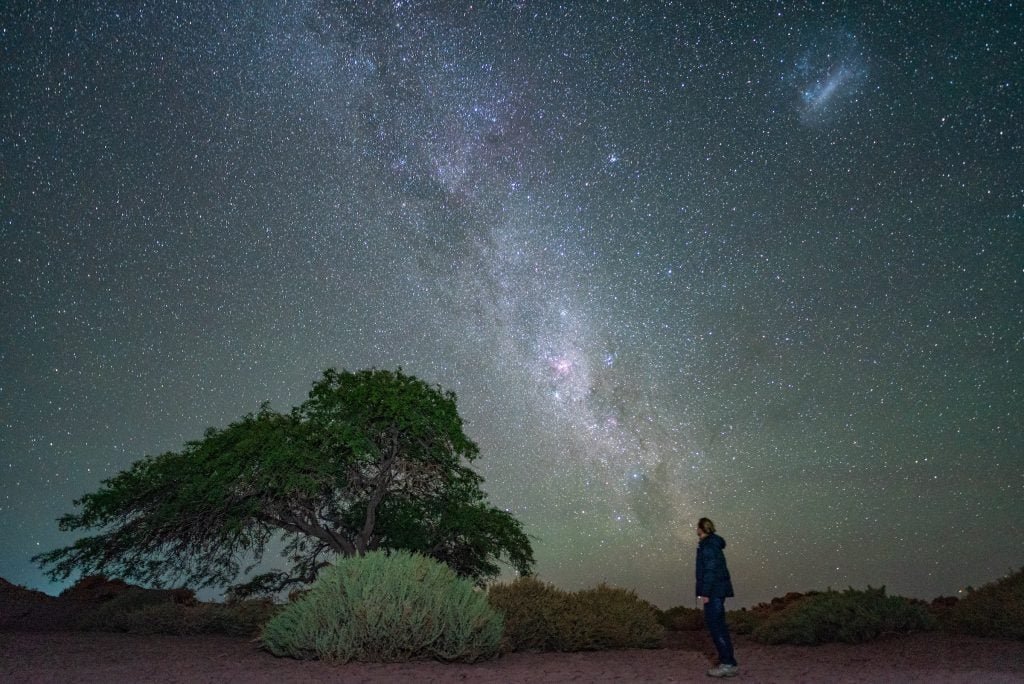
Where you stay in the Atacama region directly impacts your stargazing experience and night-sky accessibility — it's one of the first things we factor into a lodge selection.
Central Town vs. Peripheral Oasis Lodges
San Pedro's central town area has grown significantly, bringing street lighting, vehicular headlights, and commercial glow. While central hotels offer walking proximity to restaurants, night sky viewing from town properties is obscured by ambient light.
Properties located in the outer oasis — such as Solor, Sequitor, or Quitor — sit in dark zones where light pollution drops significantly. These lodges implement strict night-lighting protocols, using low-mounted, warm-spectrum pathway lights that preserve night-vision adaptation for guests.
Central San Pedro Town: High ambient light, requires 15–20 min transit for stargazing.
Peripheral Oasis Lodges: Low ambient light, night sky visible directly from grounds.
Private Observatory Lodges: Zero ambient light, on-site optical telescopes and astronomers.
We favor peripheral properties for guests prioritizing stargazing, so the Milky Way is visible directly from the grounds — no late-night road transfers after a long day of excursions.
Pairing Stargazing with Atacama's Iconic Landscapes
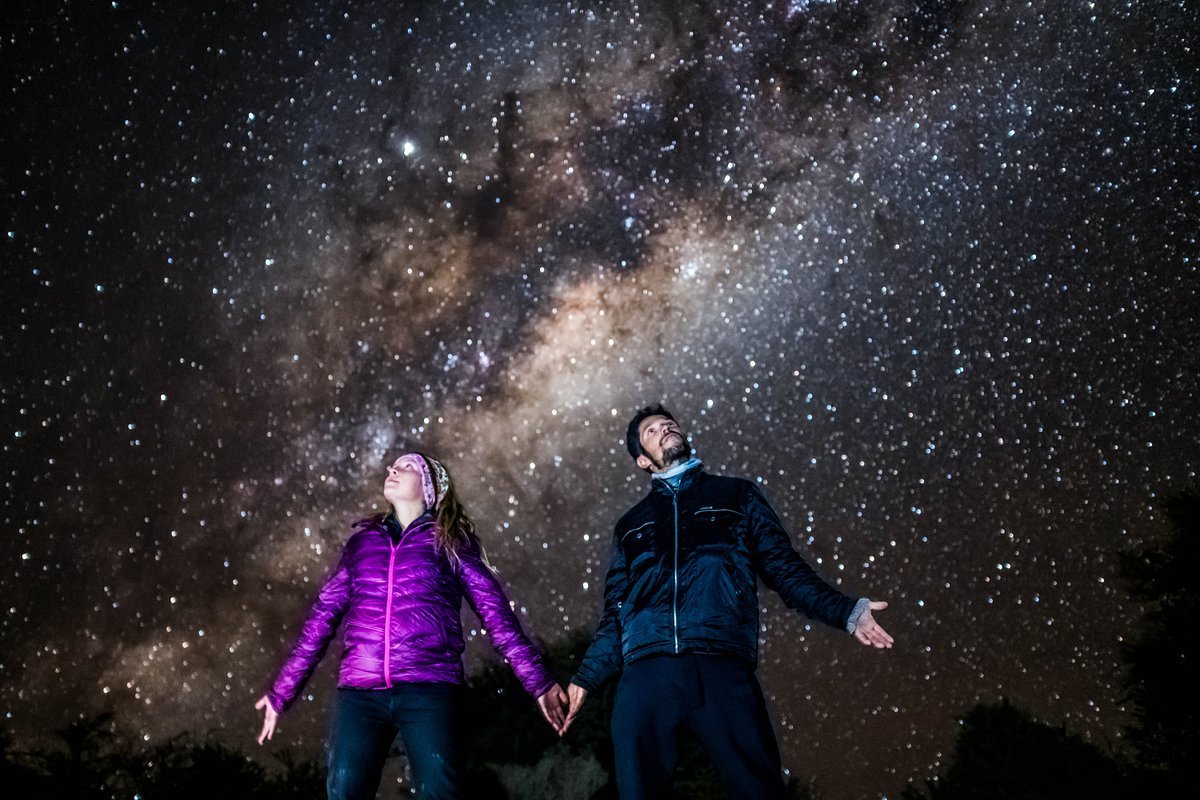
A frequent logistical conflict in Atacama planning is pairing late-night stargazing sessions with early-morning departures.
Stargazing tours depart between 9:00 PM and 10:00 PM, returning to hotels after midnight. Attempting an early departure for El Tatio Geysers (requiring a 4:30 AM pick-up) the following morning leads to sleep deprivation, which increases vulnerability to altitude sickness at 4,320 meters. It's exactly this kind of conflict that a well-designed private itinerary is built to avoid.
Excursion Pacing, Handled For You
Sunset Transitions: Low-altitude afternoon tours to Valle de la Luna (2,400m) finish at sunset. Returning to your hotel by 7:30 PM leaves sufficient time for dinner before a 9:00 PM astronomy departure.
Low-Altitude Morning Buffer: We schedule low-strain daytime visits — such as Salar de Atacama & Chaxa Lagoon (2,300m) — for the morning following a late-night stargazing session.
High-Altitude Pre-Rest: Before ascending to high-altitude sites like El Tatio Geysers (4,320m) or Piedras Rojas (4,200m), we keep the preceding evening free of late-night tours to ensure full rest.
Beyond El Tatio and Valle de la Luna, many guests also add a stop in Machuca, a small Andean village along the route to El Tatio known for its adobe houses, historic church, and nearby wetlands where flamingos and native wildlife gather — a quieter, culturally rich counterpoint to the desert's more dramatic landscapes.
For Photographers: Astrophotography Logistics in Extreme Desert Conditions
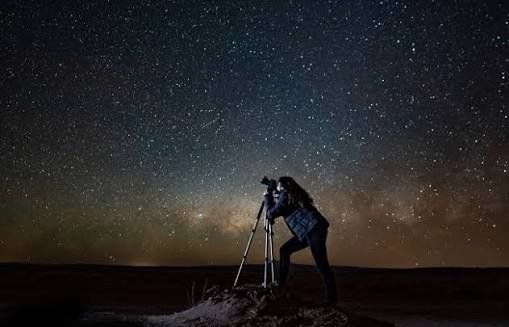
Capturing the night sky in the Atacama requires specific equipment configurations and physical preparation for environmental factors.
Camera Gear and Settings
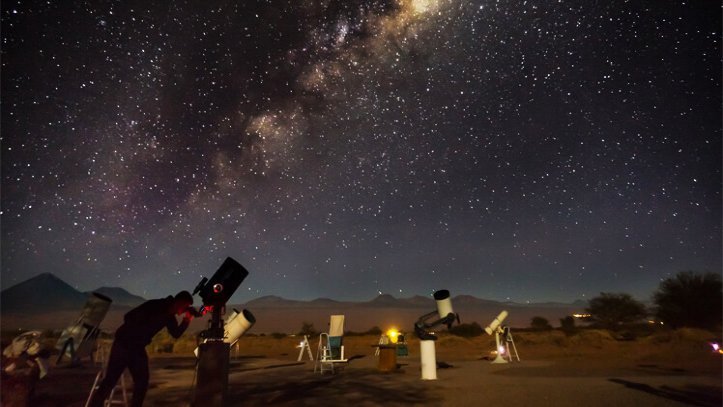
Smartphone cameras are ineffective for deep-sky photography without external tripod mounts and long-exposure software. Mirrorless or DSLR cameras with full-frame sensors produce the best results under low-light conditions.
Lens Specifications: Lenses with fast wide-angle apertures between f/1.4 and f/2.8 and focal lengths between 14mm and 24mm capture wide field views of the Milky Way core.
Exposure Limits: Use shutter speeds between 13 and 20 seconds to avoid star trailing caused by Earth's rotation. Set ISO values between 3200 and 6400 depending on lens speed.
Tripod Stability: Heavyweight, wind-stable tripods are necessary. Evening desert winds across open plateau sites will cause micro-vibrations on lightweight travel tripods.
Battery Thermal Management: Nighttime temperatures at observation sites between 2,400 and 3,000 meters drop below 0°C (32°F). Cold conditions cause lithium-ion camera batteries to lose charge up to 50% faster than normal. Keep spare batteries in internal thermal coat pockets close to body heat until needed.
Altitude and Cold: What Your Body Needs During Night Tours
Standing stationary in freezing temperatures at elevated altitudes creates physical demands that travelers often underestimate.
Even at the base elevation of San Pedro (2,400 meters), atmospheric humidity under 10% accelerates moisture loss through respiration. Standing outside for 2 to 3 hours during nighttime tours increases body heat loss rapidly.
Daytime Average Temperature: 22°C (72°F)
Nighttime Open Field Temperature: -5°C to 2°C (23°F to 35°F)
Essential Clothing: Thermal base layer + down insulation + windproof outer shell
Layering is essential. A thermal base layer combined with an insulating down jacket, windproof shell, thermal beanie, and fleece gloves provides adequate thermal protection. Avoid consuming alcohol before evening observation tours, as alcohol accelerates dehydration and heightens susceptibility to altitude headaches.
What We Take Care Of — A Quick Reference
For guests who like to see the details before arrival, here's what a well-planned Atacama stargazing trip accounts for:
Lunar Phase: Dates booked during New Moon ± 7 days.
ALMA / Paranal Reservations: Scientific tours booked 2–4 weeks ahead.
Cold-Weather Gear: Down jacket, gloves, beanie, and thermal base layers confirmed with each guest.
Camera Support: Full-frame camera, f/2.8 or faster lens, and a sturdy tripod recommended for photographers.
Battery Protection: Guidance on storing camera batteries in warm pockets before use.
Checking lunar alignment and gear needs before arrival is what separates a trip that avoids a full moon or a dead battery mid-shoot from one that doesn't — it's exactly the kind of detail we build into every private Atacama itinerary.
Beyond Atacama: Pairing the Desert with Patagonia
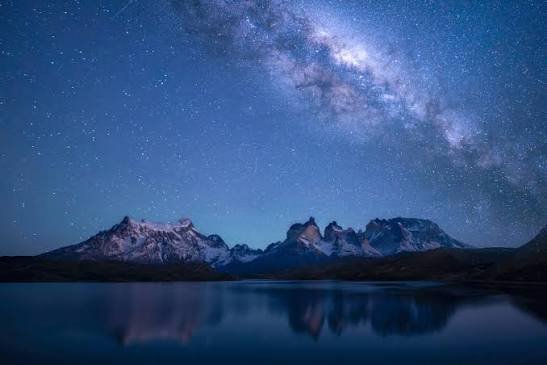
Atacama rarely stands alone on a private itinerary. For travelers exploring Chile and Argentina at a deeper level, the desert pairs naturally with Patagonia, Mendoza, or the Chilean Lake District — a contrast of extremes, from the driest desert on Earth to the glaciers and steppe of the south.
Because Southwind Experience is based year-round in El Calafate, Patagonia, we design these multi-region journeys with the same on-the-ground precision we apply to Atacama: real logistics knowledge, not a checklist assembled from a desk abroad. A private Atacama and Patagonia itinerary of 10 to 21 days is one of the most requested combinations among our guests — desert skies in the north, ice and granite peaks in the south, connected by private transfers and a single point of contact throughout.
The Bottom Line
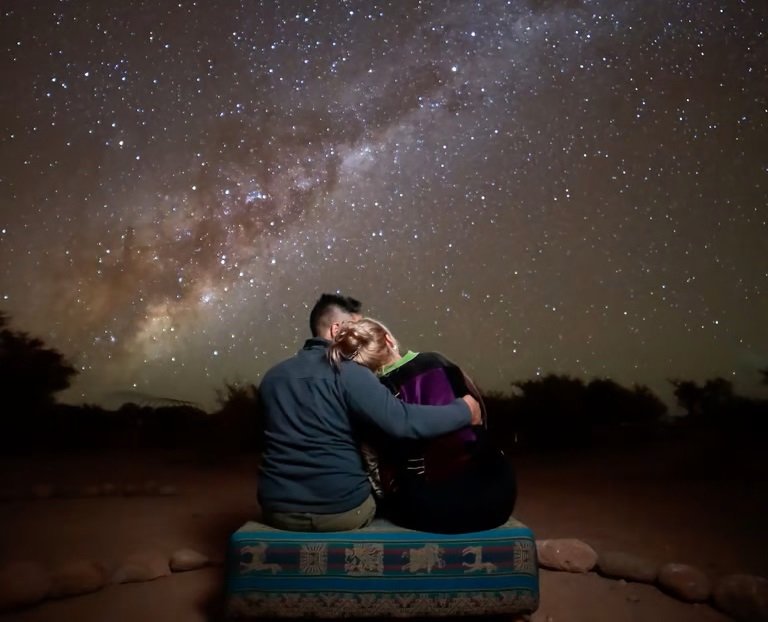
San Pedro de Atacama offers world-leading night sky visibility, but a successful trip depends on managing lunar phases, low night temperatures, and altitude exposure. Planning 4 to 5 days allows travelers to balance nighttime telescope sessions with high-altitude daytime excursions without physical exhaustion.
Southwind Experience designs private, boutique journeys across northern Chile and Patagonia, backed by direct local operations and more than 15 years on the ground. Get in touch to begin building your private Atacama itinerary — and to explore how it can connect seamlessly with Patagonia.