Orca Watching at Punta Norte: The Rarest Wildlife Encounter in South America
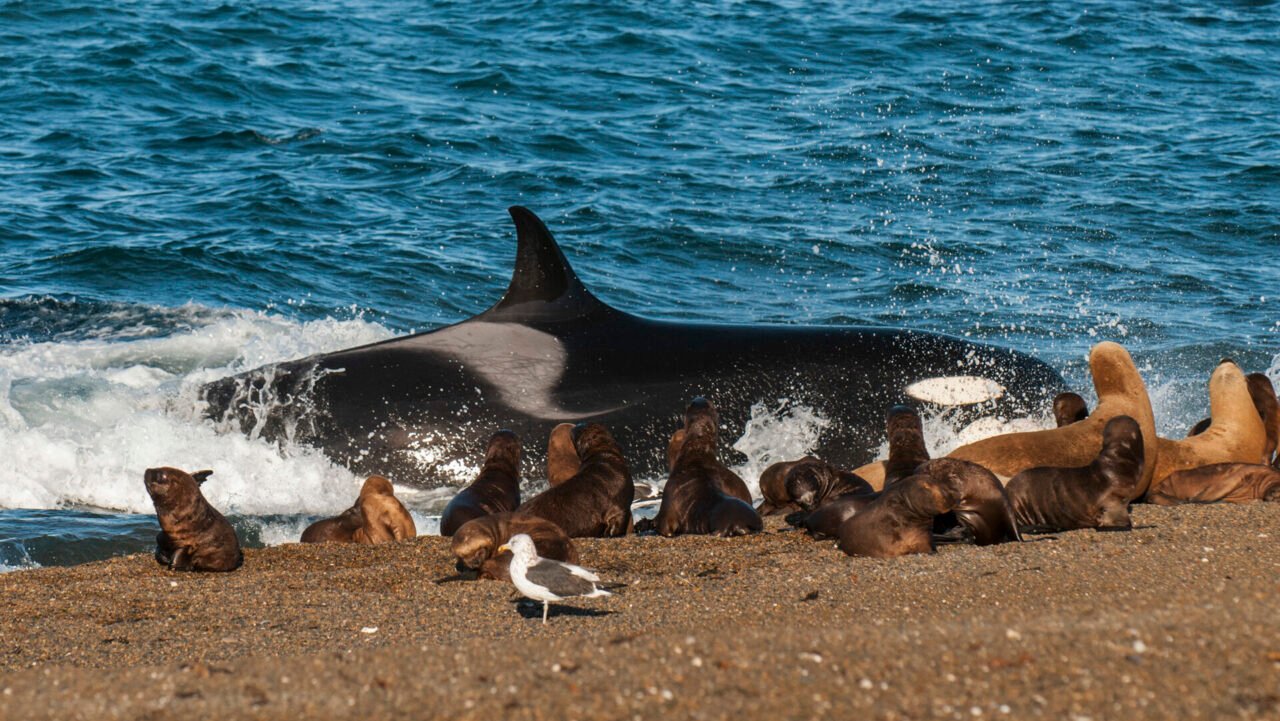
Mid-March to mid-April is the only window when orca beach-hunting is possible at Punta Norte, and even then it isn't guaranteed. The behavior — orcas launching themselves onto the sand to catch sea lion pups, known as intentional stranding — depends on a tide window of roughly two to three hours around high tide, on any given day within that six-week season. Outside those hours, and outside those weeks, the orcas may still pass along the coast, but they won't hunt from the beach. This is not a sighting you build a trip around casually; it's one you build a trip around deliberately, with the right dates and the right guide.
What Actually Happens at Punta Norte
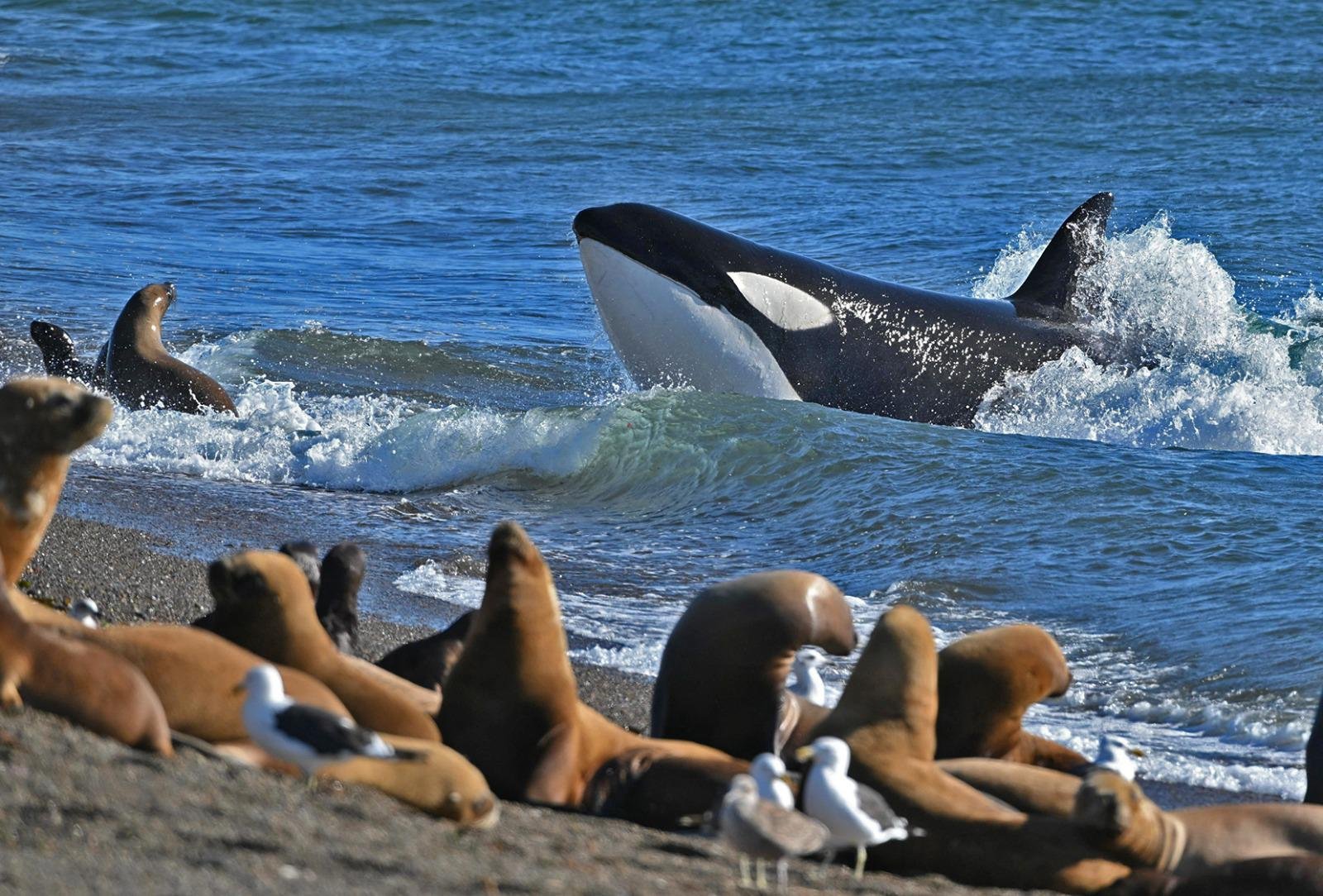
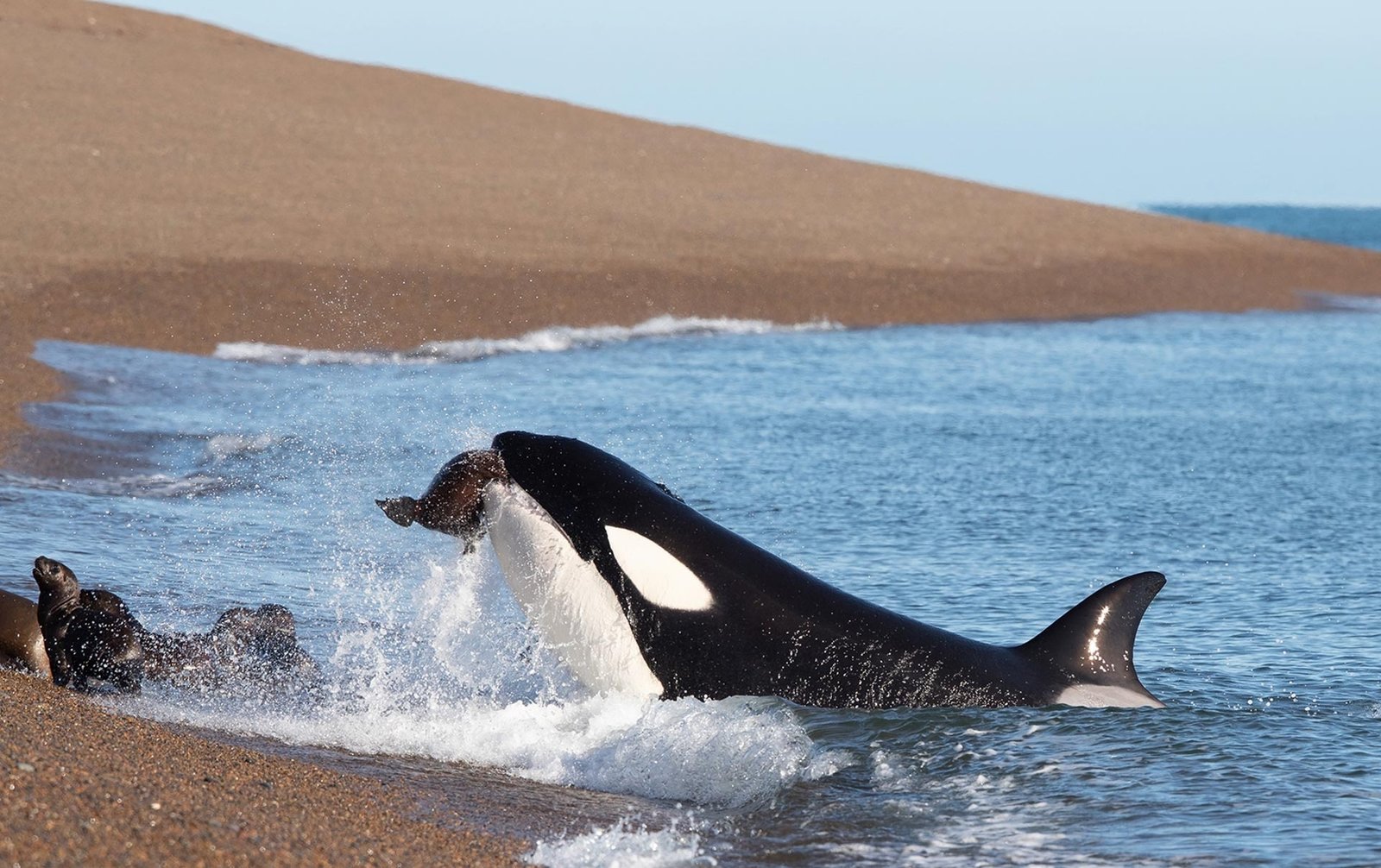
Punta Norte, at the northern tip of Península Valdés, is one of only two places in the world where orcas regularly practice intentional stranding — deliberately beaching themselves in the surf to grab sea lion pups before the tide pulls them back out. It's a learned behavior, passed down through specific family pods, and it has been documented here since the 1970s.
Location | Punta Norte, northern tip of Península Valdés |
Distance from Puerto Madryn | Approximately 160–170 km (2.5–3 hour drive) |
Season | Mid-March to mid-April (pupping season) |
Tide window | 2–3 hours either side of high tide |
Viewing point | El Mirador, clifftop overlook above the colony |
Guarantee | None — this is wild, tide-dependent predation |
The pups born in January start gathering at the water's edge in March, still clumsy and curious, which is exactly what makes them vulnerable. By the end of April, the survivors have learned to stay back from the surf, and the season effectively closes.
The Tide, Not the Calendar, Decides the Day
Being in Península Valdés in March doesn't mean being at Punta Norte at the right moment. High tide shifts by roughly 20 to 50 minutes each day, so the hunting window migrates across the clock through the season — some days it falls at sunrise, others in the middle of the afternoon.
This is the detail that separates a planned attempt from a lucky one. A guide who checks the tide tables for the specific dates of a trip, rather than relying on "March is orca season," is the difference between arriving during a live window and arriving at a calm, empty beach at low tide. Southwind builds the Punta Norte visit around the tide table for the exact travel dates, not around the month.
Why Position at the Mirador Matters More Than Gear
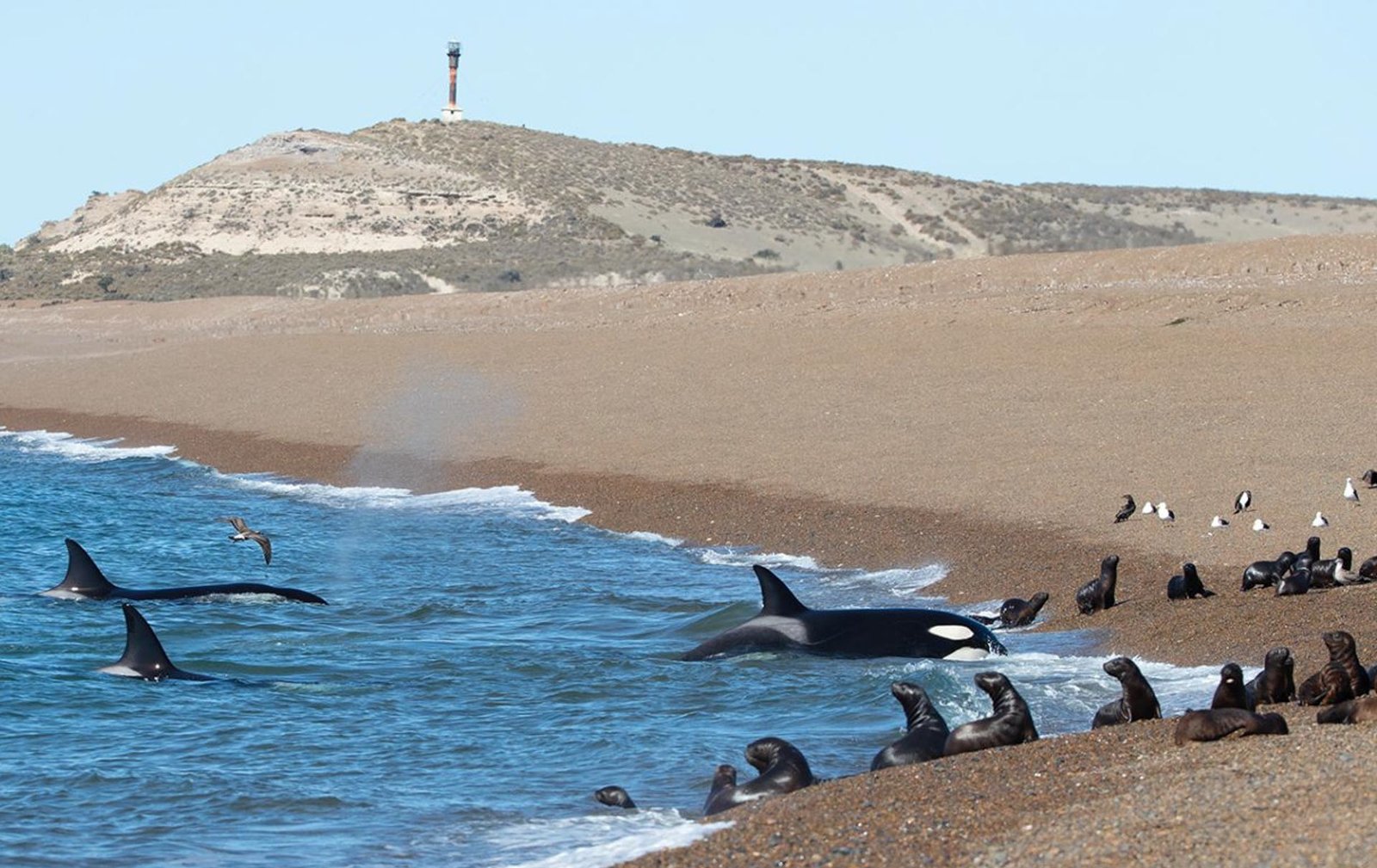
Tourists don't watch from the beach itself. The stretch of coastline where the hunting happens — a narrow channel roughly 50 meters wide — is closed to visitors; only researchers and permitted filmmakers are allowed down there. Everyone else watches from El Mirador, a clifftop overlook above the sea lion colony.
That's precisely why positioning matters more than camera equipment. From the clifftop, the usable stretch of visibility along the channel is limited, and where you're standing relative to that stretch — and to the sun, since Punta Norte's light is flat and often backlit in the afternoon — determines whether an attack happens in your field of view or fifty meters to your left. A guide who knows where the pods have been working that week, and positions the group accordingly before the tide turns, does more for the outcome than a longer lens ever will. Bring good binoculars; don't count on the photos.
What Happens When the Tide Isn't Favorable
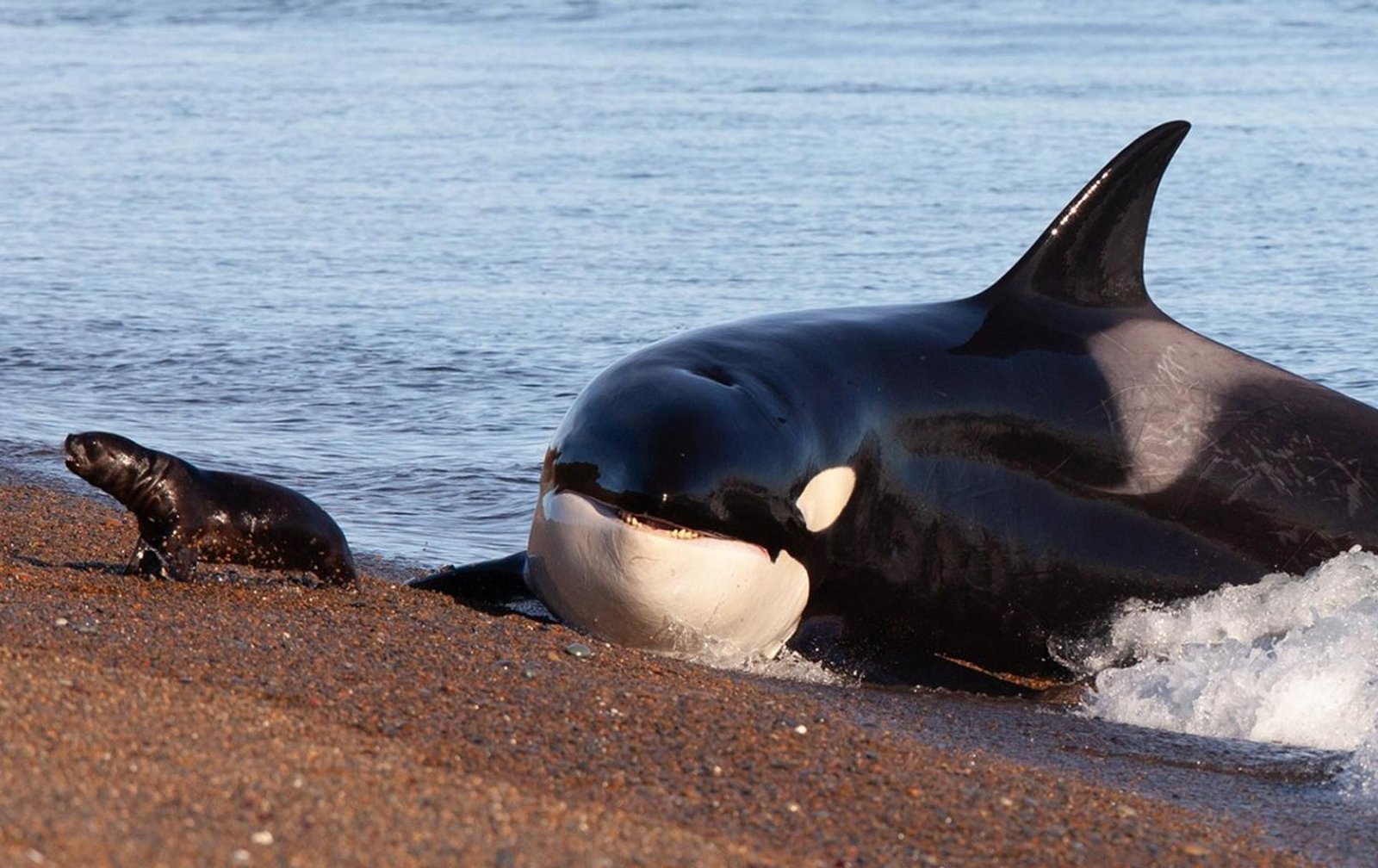
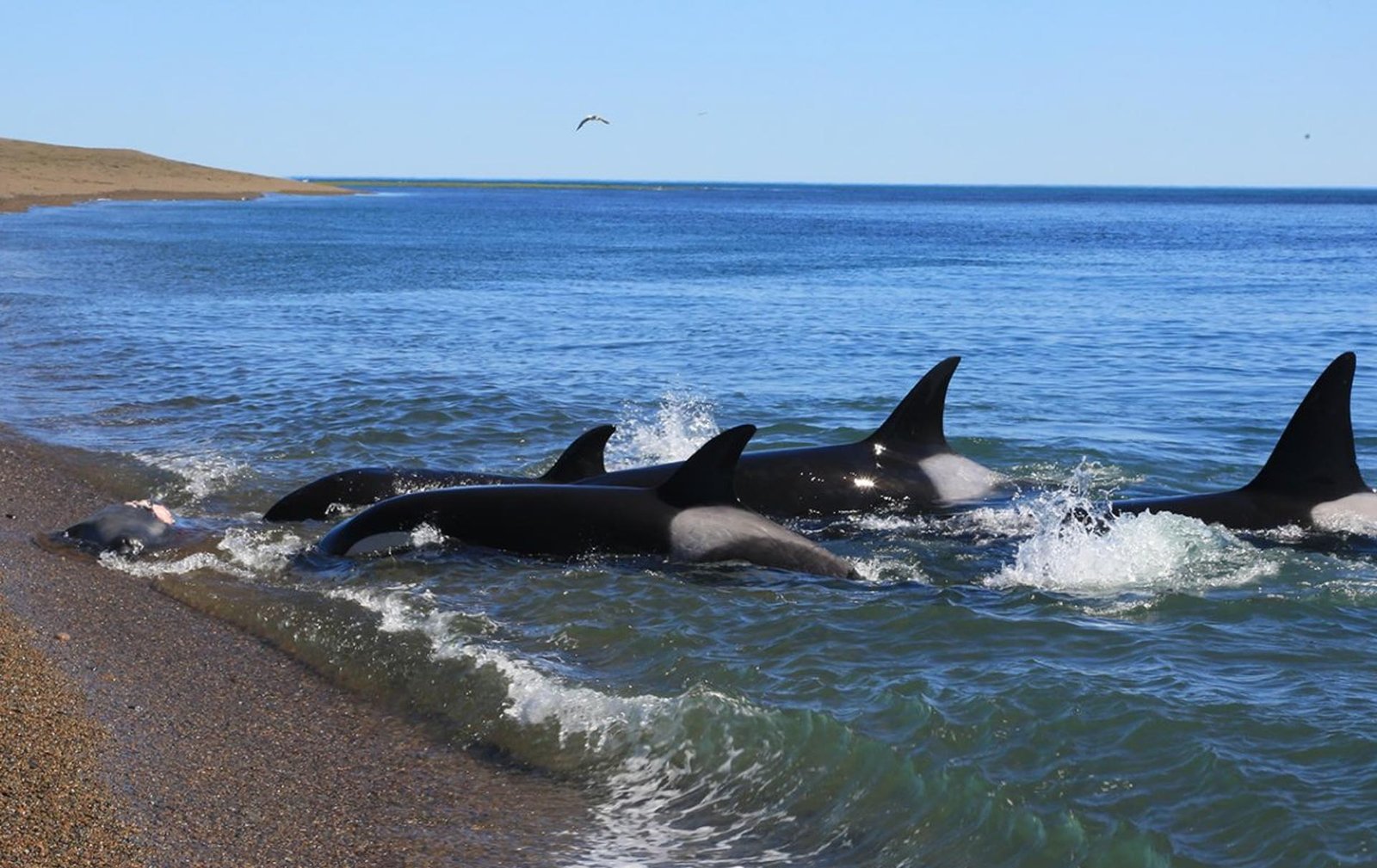
Because high tides shift forward by approximately 45 to 50 minutes each calendar day, there will be days when high tide occurs at dawn (06:00 AM) or dusk (07:30 PM), leaving limited daylight hours for beach observation.
Most visits to Punta Norte, even in season, don't include a stranding attempt. The orcas don't hunt every high tide, wind and sea conditions can keep them offshore, and a visitor's window at the Mirador is only ever a few hours of a six-week season. This needs to be said plainly: an orca sighting here, and especially a hunting attempt, is not something any operator can promise.
When orcas are inactive or offshore, Punta Norte and the broader Península Valdés reserve deliver an exceptional concentration of coastal wildlife:
South American Sea Lion Colonies: Even without orca attacks, watching thousands of sea lions interact—adult bulls defending harems, mothers nursing, and pups playing—provides remarkable behavior photography.
Southern Elephant Seals (Mirounga leonina): Punta Norte hosts a resident population of juvenile and molting elephant seals resting along the gravel beaches.
Patagonian Steppe Safaris: The overland drive to Punta Norte cuts through vast coastal shrubland populated by guanacos (Lama guanicoe), Darwin’s rheas (choique), Patagonian maras, gray foxes, and big hairy armadillos (zaedyus pichiy).
Coastal Avian Species: Antarctic skuas, giant petrels, and cormorants frequently patrol the shorelines, feeding on tide drift and marine remains.
Recommendations by Traveler Profile
If orca hunting is the priority: travel in the first half of April rather than early March — pupping season is further along, pups spend more time at the water's edge, and hunting frequency tends to be higher. Plan for at least two full days near Punta Norte so a poor-tide day doesn't end the attempt.
If wildlife diversity matters more than orcas specifically: any time from March through April still delivers sea lions, elephant seals, and penguins with a real chance — not a guarantee — of an orca sighting, without needing to structure the whole itinerary around tide tables.
If this is a photography-focused trip: ask for a guide with recent, direct experience at the Mirador. Recent positioning knowledge — which section of the channel the pods have been working in the last few days — matters more than any piece of gear brought along.
The Bottom Line
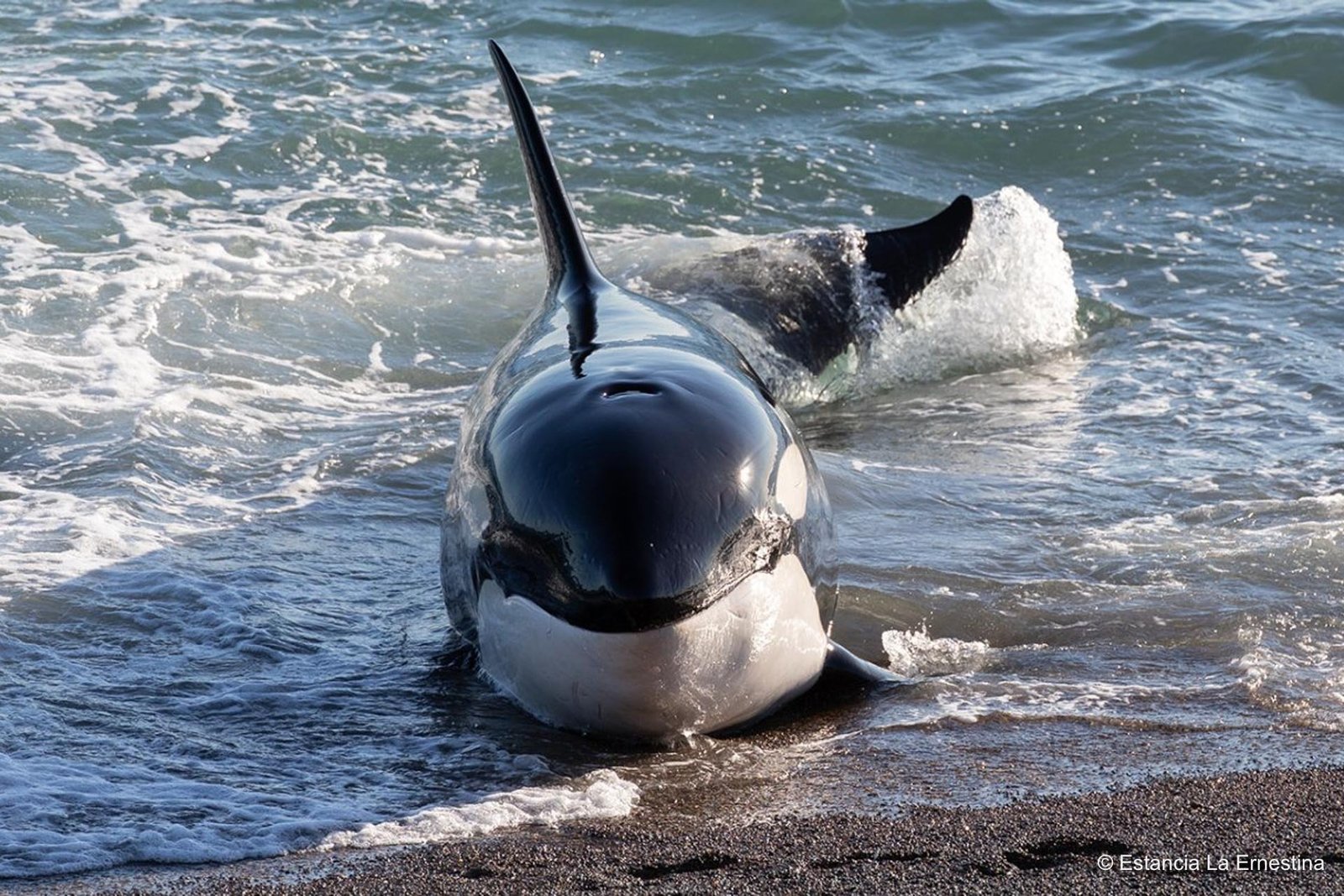
Orca hunting at Punta Norte is real, well-documented, and genuinely possible to plan around — but only within a six-week window in March and April, and only within a few hours of high tide on any given day. Nothing about it is guaranteed: not the date, not the tide, not the orcas' decision to hunt. What can be controlled is showing up on the right dates, at the right hour, in the right spot on the cliff — which is exactly where a guide who checks tide tables and knows the channel earns their keep.
Southwind Experience builds Península Valdés itineraries →