Best Time to Visit Patagonia: How to Decide When to Travel
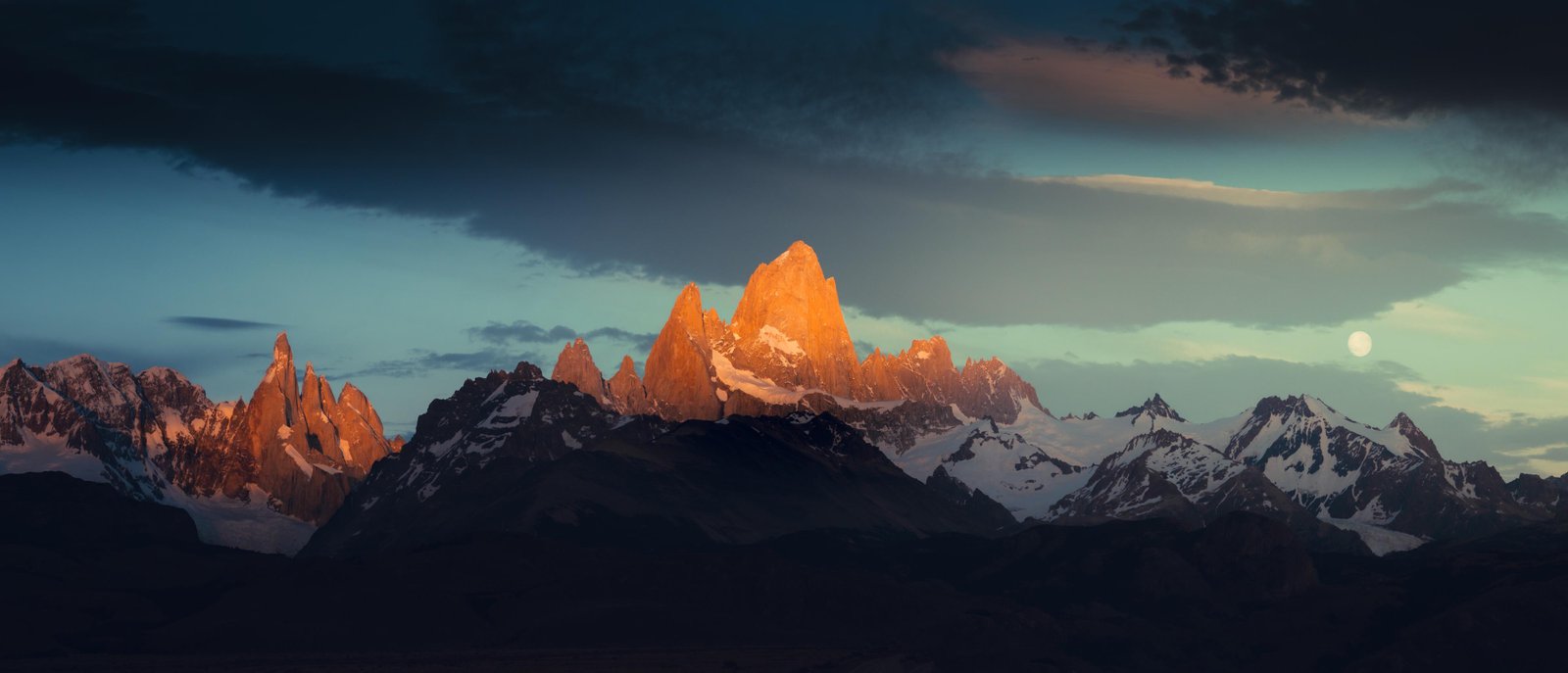
Planning a trip to Patagonia is exciting, but one of the first questions travelers face is also one of the most important: when is the best time to go? Unlike many destinations where travel is possible year-round, Patagonia is deeply seasonal. Weather conditions, transportation, wildlife activity, hiking access, and even hotel availability change dramatically throughout the year. That is why choosing the right month is essential when organizing a personalized Patagonia trip. The best time to visit depends less on finding “perfect weather” — because Patagonia is famously unpredictable — and more on understanding what kind of experience you want to have.
Some travelers dream of hiking beneath the granite towers of Torres del Paine National Park or exploring the trails around El Chaltén. Others are more interested in driving the remote Carretera Austral, spotting whales in Puerto Madryn, discovering glaciers near El Calafate, or experiencing the southernmost landscapes of Ushuaia. The reality is that there is no single “best month” for Patagonia. Instead, there is a best season depending on your travel style, your priorities, and the destinations you want to include in your itinerary.
.
Patagonia Is Best Experienced Between October and April
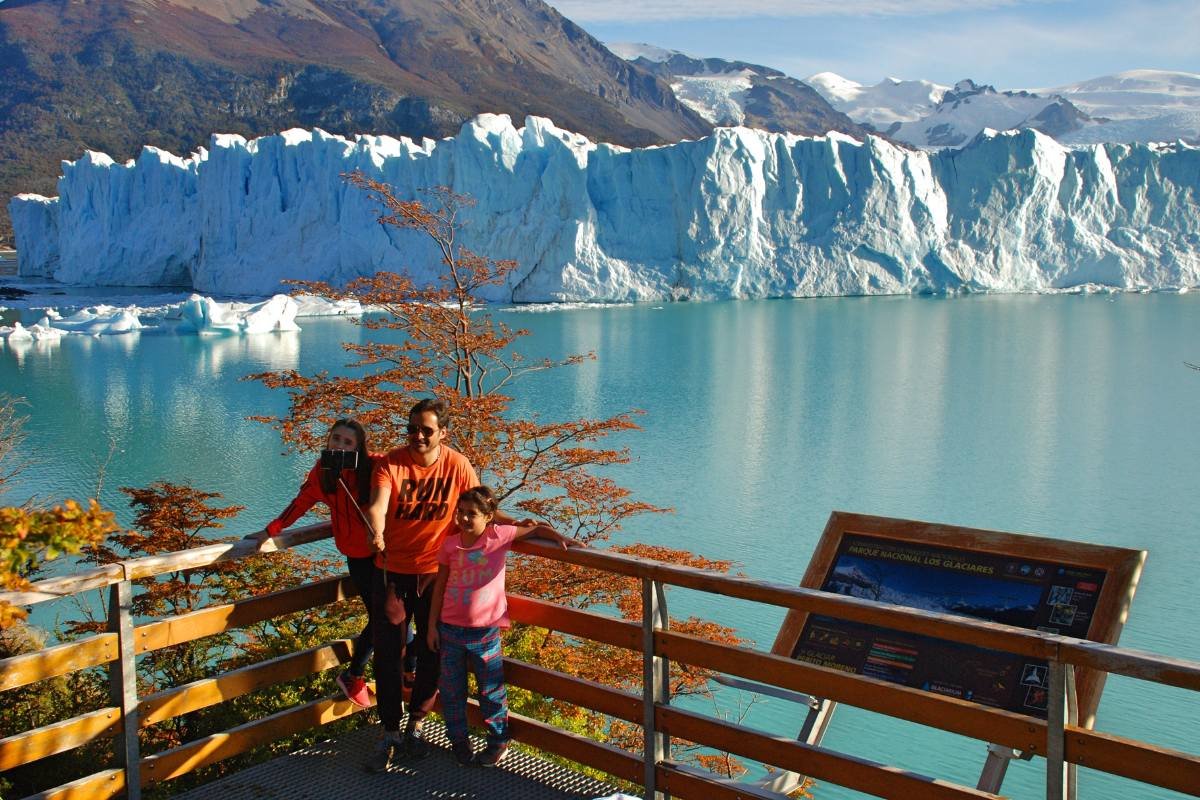
For the vast majority of travelers, Patagonia should be visited during the Southern Hemisphere spring, summer, or early autumn. From October through April, the region becomes accessible, vibrant, and much easier to explore. During these months, hiking trails reopen after winter, boat excursions operate regularly, wildlife becomes more active, and the long daylight hours allow travelers to fully enjoy the landscapes. Temperatures are also considerably milder, especially compared to the harsh winter conditions that dominate southern Patagonia for much of the year.
.
This is particularly important because Patagonia is not a typical destination where travelers simply move from city to city. Many of its highlights are remote natural areas that depend heavily on weather and seasonal infrastructure. In places such as Torres del Paine National Park or the Carretera Austral, many hotels and services close entirely during winter months. For travelers planning their first Patagonia adventure, the safest and most rewarding period is usually between November and March, when conditions are generally more stable across both Argentina and Chile.
.
Summer Is the Easiest and Most Complete Season for Patagonia
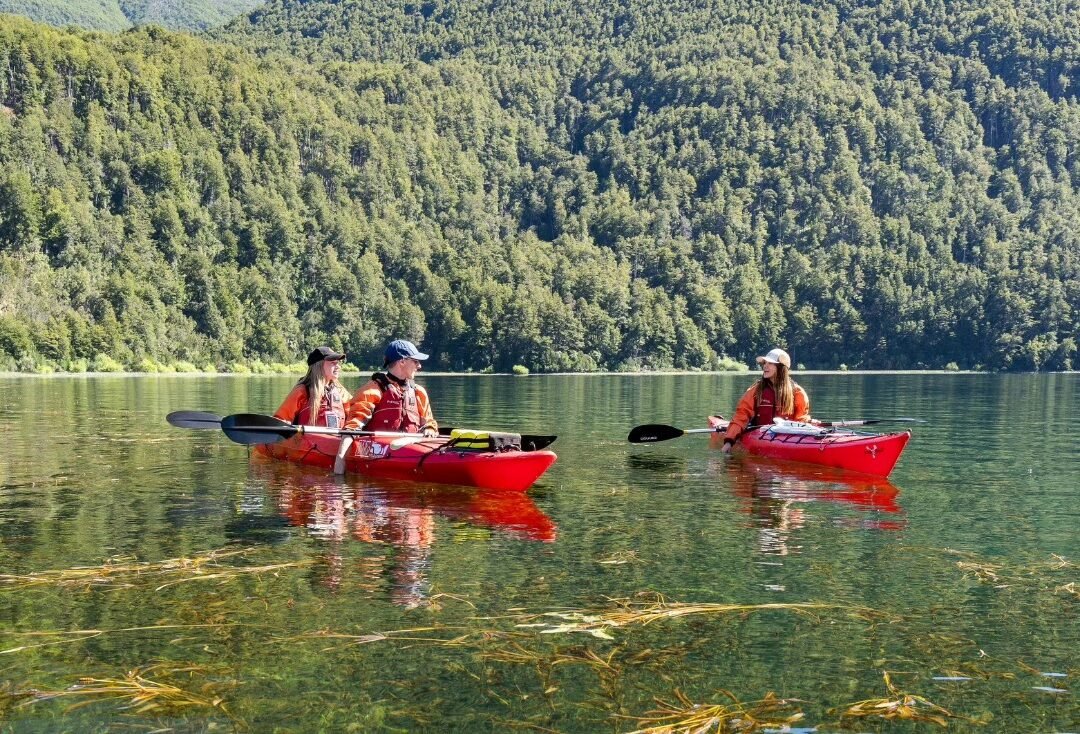
If you are looking for the classic Patagonia experience, summer is usually the ideal choice. December, January, and February are considered high season for good reason. This is when Patagonia offers its longest days, warmest temperatures, and best overall conditions for outdoor travel. In destinations like El Chaltén, summer provides ideal conditions for trekking to iconic viewpoints such as Laguna de los Tres and Cerro Torre. Meanwhile, Torres del Paine National Park becomes a paradise for hikers, photographers, and nature lovers who want to explore the park’s famous circuits.
.
Summer is also the best moment to combine multiple regions within the same itinerary. Travelers can comfortably connect glacier excursions in El Calafate with scenic drives through Chilean Patagonia or continue south toward Ushuaia for cruises, wildlife, and Tierra del Fuego landscapes. One of the biggest advantages of traveling during summer is the extraordinary amount of daylight. In southern Patagonia, the sun can remain visible until late in the evening, creating more flexibility for excursions and photography. However, summer also comes with higher demand. Hotels, lodges, and trekking refuges can book out months in advance, especially around Christmas and January. Travelers looking for a quieter experience may prefer the shoulder seasons instead.
.
Spring Is Ideal for Travelers Who Want Patagonia Without the Crowds
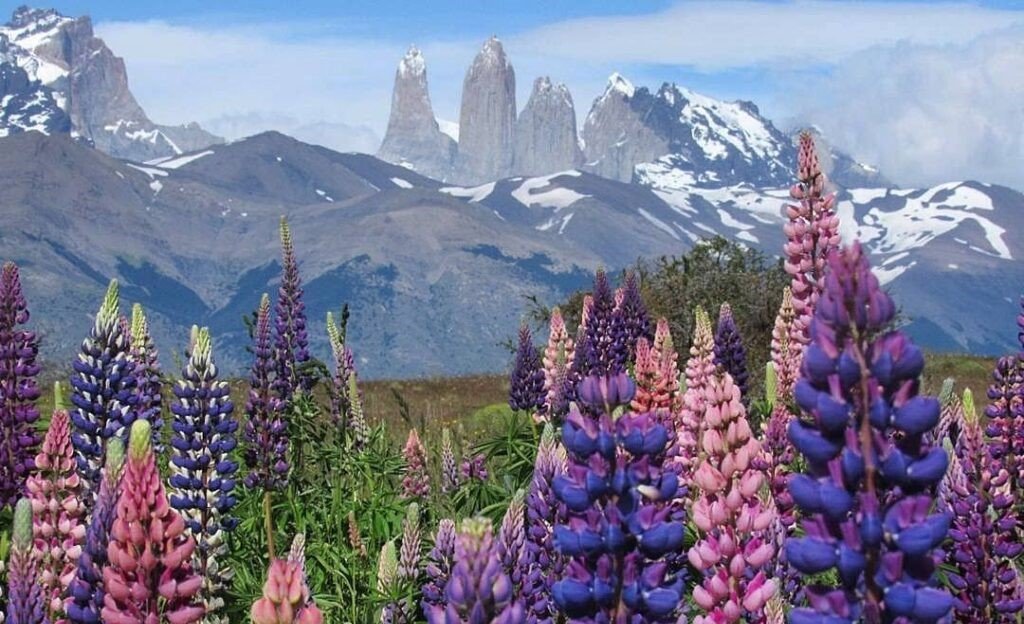
October and November are often overlooked by first-time visitors, but they can be some of the most rewarding months to visit Patagonia. Spring brings a sense of renewal to the region. Snow slowly melts from lower elevations, rivers flow strongly, wildflowers begin to appear, and wildlife activity increases. Landscapes become greener and more vibrant after the long winter months.
.
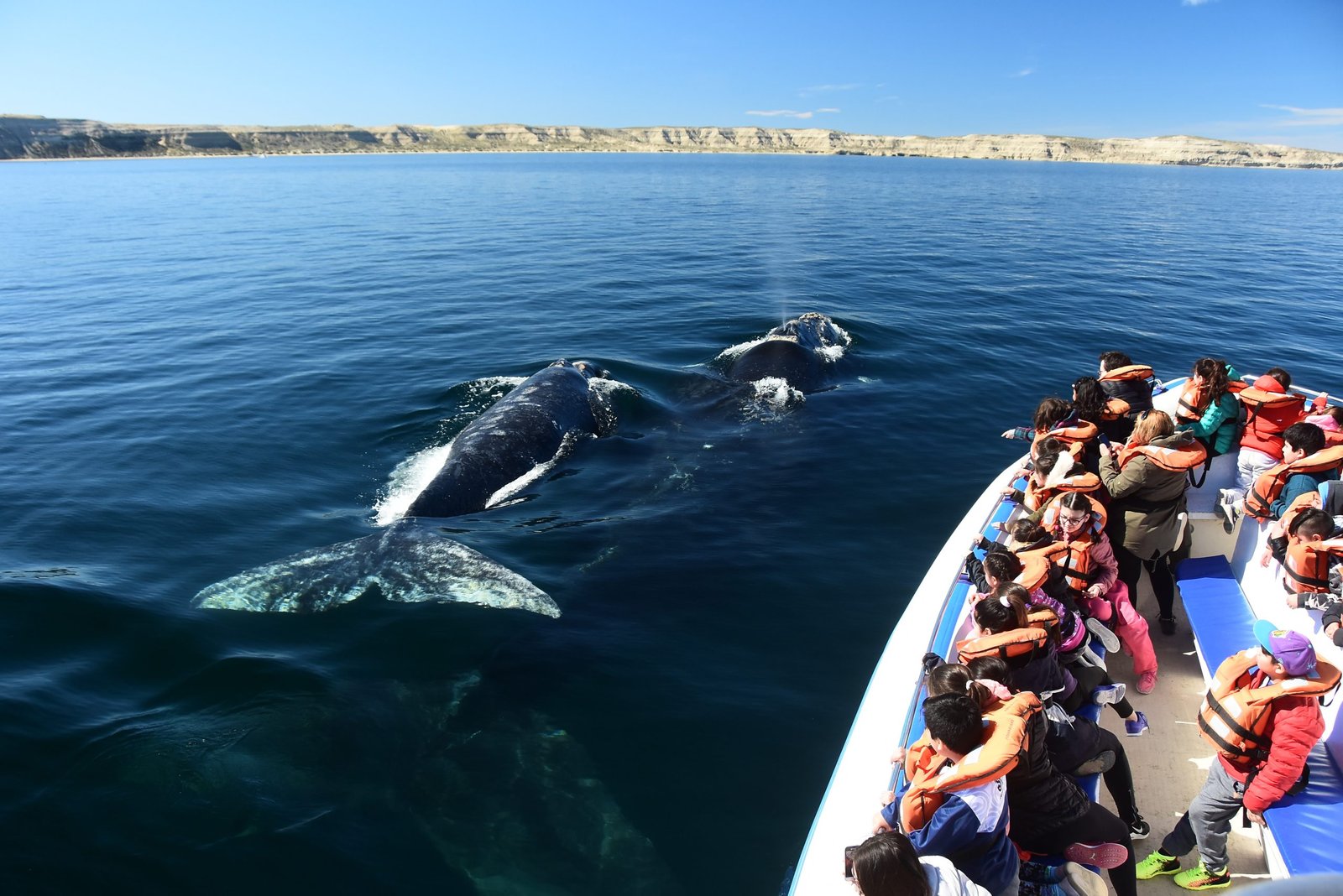
For travelers who prioritize photography and nature, spring offers exceptional contrasts between snowy peaks and colorful vegetation. In Torres del Paine National Park, this can be one of the most visually striking times of the year. Spring is also an excellent season for wildlife experiences along the Atlantic coast. In Puerto Madryn, whale watching season is still active, and penguin colonies begin becoming increasingly lively.
.
Another important advantage of spring is the reduced number of visitors. Travelers can enjoy famous destinations with a calmer atmosphere and often better hotel rates than in peak summer. That said, spring weather in Patagonia can still be unpredictable. Strong winds, sudden rain, and occasional snow are still possible, particularly in southern areas. Flexibility is always important when traveling through Patagonia, regardless of the season.
.
Autumn May Be Patagonia’s Best-Kept Secret
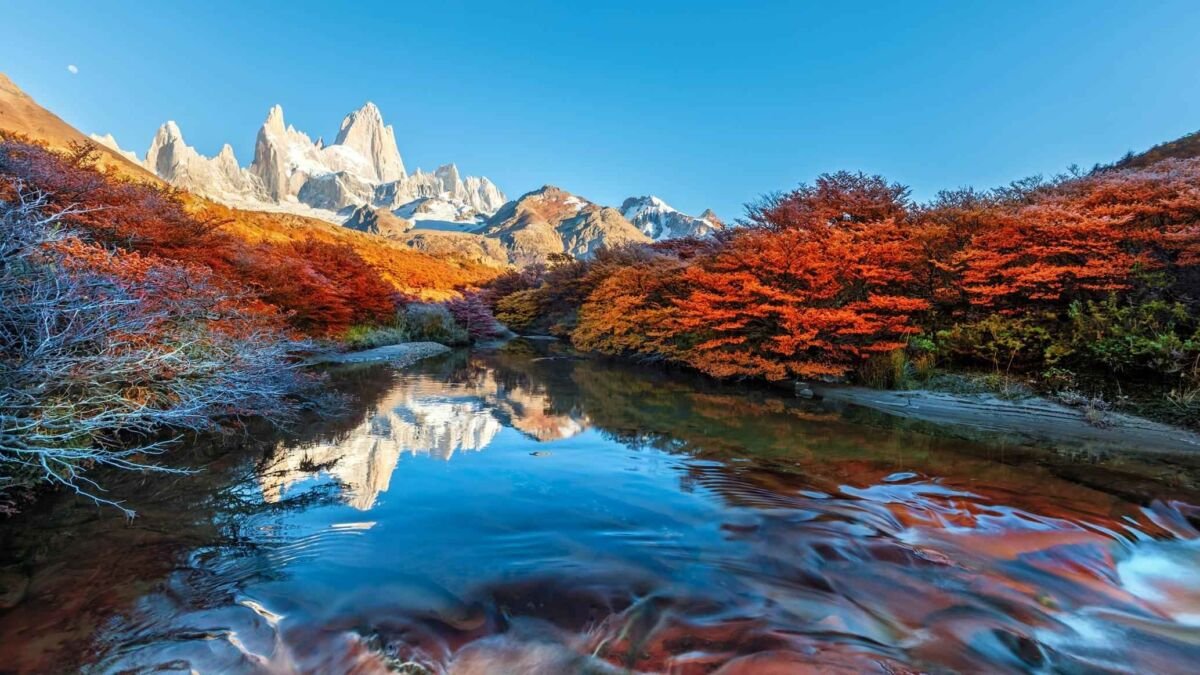
Many experienced Patagonia travelers consider March to be the perfect month to visit the region. By early autumn, the intense summer crowds begin disappearing, but conditions for exploration remain very good. Hiking trails are still accessible, temperatures are relatively mild, and the landscapes begin transforming into beautiful autumn colors. This is particularly noticeable in Bariloche, where forests turn into shades of orange, red, and gold, creating some of the most scenic landscapes in Argentine Patagonia.
.
March also tends to bring slightly calmer winds in parts of southern Patagonia, which can improve trekking and photography conditions in places like El Chaltén. For travelers seeking a more exclusive or relaxed Patagonia experience, autumn can feel more intimate and less rushed than the busy summer season. Lodges are quieter, trails are less crowded, and the atmosphere across the region becomes more peaceful.
.
April can still be beautiful, especially for photographers, but this is also when Patagonia begins transitioning toward winter. Some hotels and excursions start reducing operations, particularly in remote Chilean Patagonia and along the Carretera Austral.
.
Why Most Travelers Should Avoid Patagonia in Winter
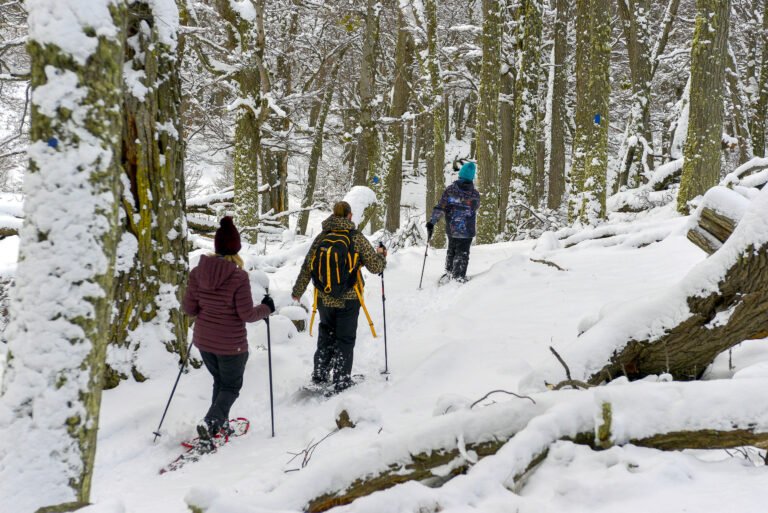
Many travelers are surprised to learn that Patagonia is not truly a year-round destination in the traditional sense. Between May and September, large parts of the region become significantly more difficult to visit. Winter in Patagonia is cold, windy, wet, and often unpredictable. Snowfall can affect transportation and road access, especially in remote areas. Some trekking routes close entirely, and many seasonal lodges suspend operations until spring returns.
.
This is particularly important for travelers interested in outdoor activities such as hiking, scenic drives, glacier navigation, or multi-destination itineraries. During winter, places like Torres del Paine National Park, El Chaltén, and the Carretera Austral lose much of the accessibility that makes them so attractive during warmer months. For this reason, winter is generally not recommended for first-time Patagonia travelers.
.
The Two Exceptions: Bariloche and Ushuaia
There are, however, a few Patagonia destinations where traveling outside the classic summer season can make perfect sense.
.
The first is Bariloche, which transforms into Argentina’s premier ski destination during the winter months. Between June and August, travelers visit Bariloche for snow sports, alpine landscapes, cozy mountain hotels, and the famous ski slopes of Cerro Catedral. For anyone interested in skiing or experiencing Patagonia with snow-covered mountains and lakes, winter in Bariloche can be incredibly rewarding.
.
The second is Ushuaia, the southernmost city in the world. Winter here offers a completely different Patagonia experience, focused on snow-covered landscapes, winter sports, sledding, and unique cold-weather adventures at the “end of the world.” While much of Patagonia slows down during winter, Ushuaia remains active thanks to its winter tourism infrastructure.
.
If your Patagonia trip is focused on skiing, snow activities, traveling outside the traditional summer season can be an excellent choice. Otherwise, for most travelers interested in hiking, road trips, glaciers, and outdoor exploration, Patagonia is best experienced between October and April.
.
Choosing the Right Time for Your Patagonia Trip
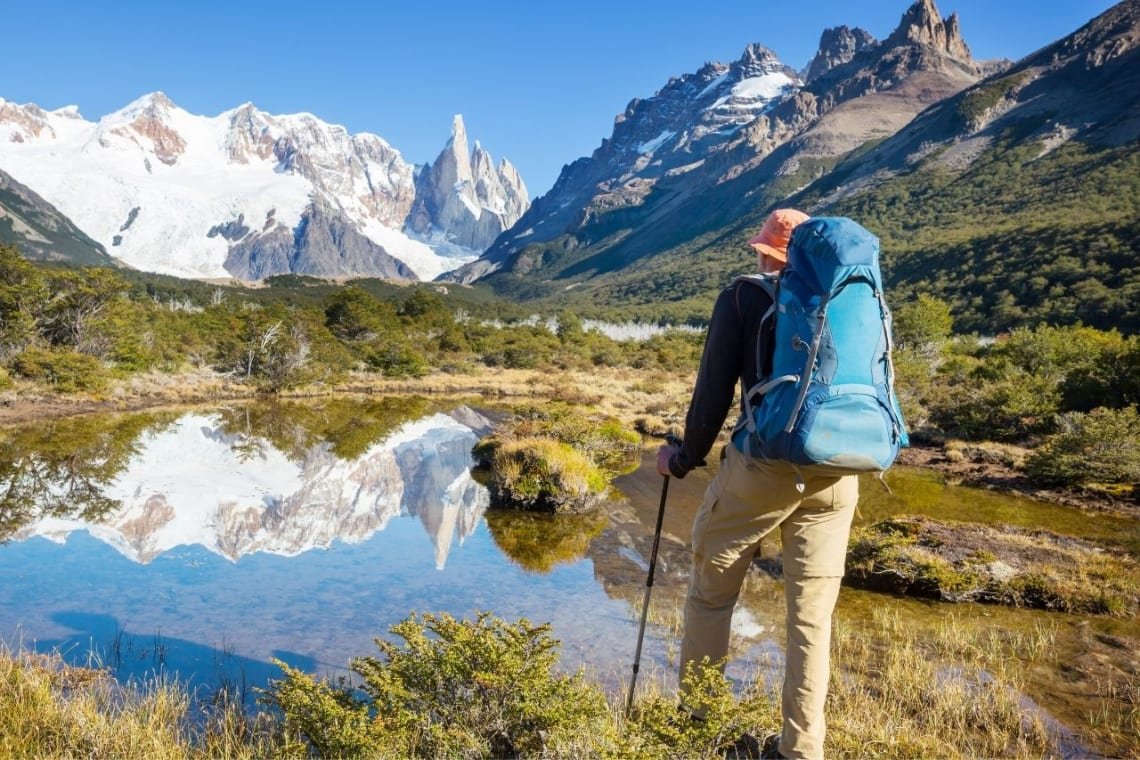
Ultimately, planning a Patagonia journey is about matching the season with your expectations. If your goal is trekking, glaciers, road trips, wildlife, and classic Patagonia landscapes, then traveling between November and March will offer the best overall experience. If you prefer fewer crowds and more atmosphere, spring and autumn can be especially rewarding. The most important thing is understanding that Patagonia changes dramatically throughout the year.
.
A customized itinerary designed around the right season will allow you to experience the region at its absolute best. Whether you imagine yourself hiking through Torres del Paine National Park, driving the Carretera Austral, watching whales near Puerto Madryn, exploring glaciers in El Calafate, or discovering the remote landscapes of Ushuaia, choosing the right moment to travel is the first step toward an unforgettable Patagonia experience.
.